Blink & It’s Gone
This season has been one of the most challenging in modern Mexican mango history—fresh, dried, IQF, domestic, export, all of it—and as we move into the tail end of the season, a quick ending is all that’s left.
I just received word today that some rain has fallen in the growing regions, which should help strengthen the fruit still on the trees and may help extend the season slightly. Right now, everything is being picked and packed quickly because fruit is maturing so rapidly, so the rain is welcome news. We’ll continue to monitor conditions and report back, but as of now, the season is still expected to end around mid-August.
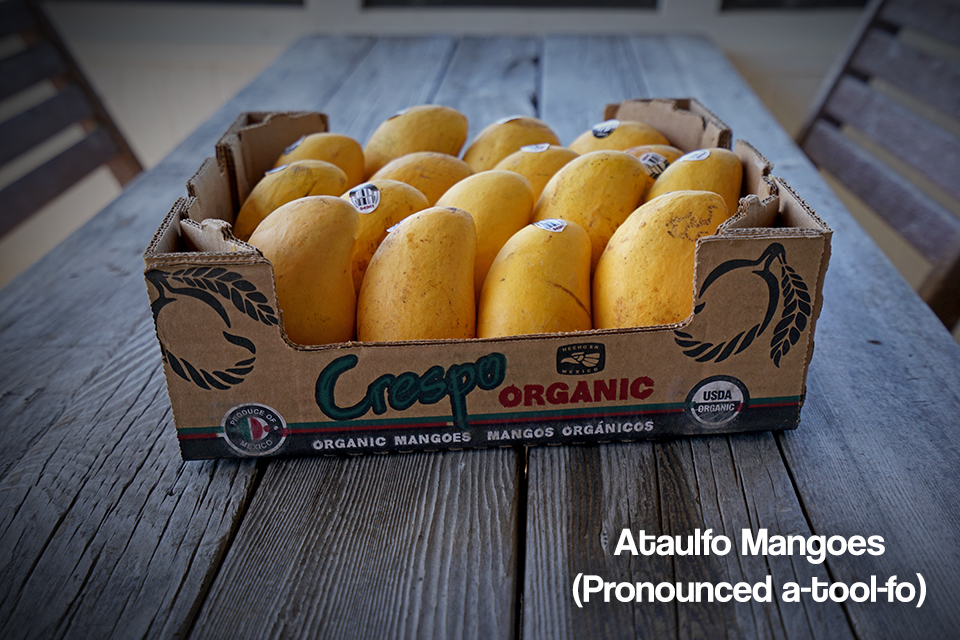
Ataulfos have officially finished at harvest level, and the last pallets are making their way through final distribution. Despite the production challenges and an earlier-than-normal finish, Ataulfos delivered an exceptional season, rewarding mango lovers with outstanding flavor from start to finish. Here at the Organic Produce Summit in Monterey, I asked the produce team at Mom’s Market how their Ataulfo season has been. Their answer: “They have been the best we’ve ever tasted.” That’s the same endorsement we’ve seen from most retailers and consumers this season. If you’re lucky enough to find one of the last pallets you can expect that same exceptional eating experience.
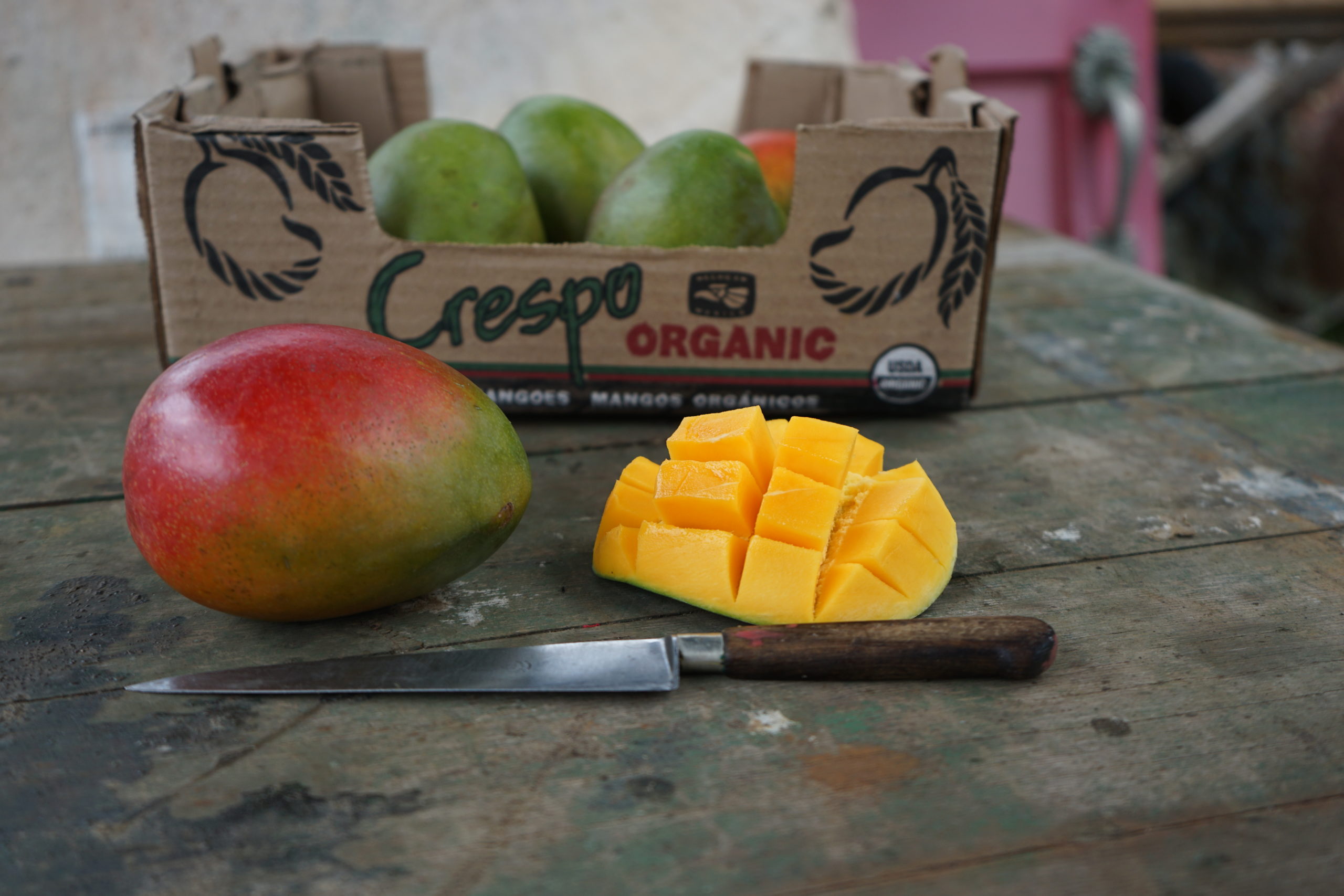
Also finishing, the Mango Queen mangoes. Only a handful of specialty mangoes remain at harvest level for another week or so. The rest of the season belongs to limited supplies of Kents, followed by the final Keitts. Overall volumes remain well below normal, and the season is expected to wrap up much earlier than usual. Higher prices have slowed some movement on the round varietals, but the bigger story is simply that there isn’t much fruit left. From here on out, the season will wind down quickly.
Organic Ataulfo
While the season is officially over on the Mexican production side, consumers still get to reap the benefits of our Summer Mango Mania sale pricing, #MuchosMangoes and the ultra-sweet taste the fruit is providing in its final days.
The final fruit is all from Los Mochis, non-hot water-bathed and the cleanest of them all. It’s got a faster maturation speed, but it looks beautiful and vibrant golden yellow and tastes exceptional, which allows us to end on a good note in terms of the consumer experience. (Unless you are still trucking at 45 degrees, in which case—you should not.)
Organic Mango Queen Specialties
This is the last week for these, so get them while you can.
This hasn’t been the easiest season for these varietals despite their strong bloom and fruit-set. Remember, these are relatively new varietals, and we are all still learning how to handle them, especially under the stress of climate change coupled with hot water baths and a cold chain that runs much colder than they like. They taste amazing, despite some “ugly characteristics” and we continue to receive great feedback from consumers every day.
Organic Kent Mangoes
We are over the peak, and it was everything we expected it to be—barely anything. But there has been some fruit, and we have patched ourselves through to where we are today.
We expect another week of Kents, and then they are done. Like all varietals this season, they have been maturing fast, which means more mixed maturity in the final harvests and faster ripening timeframes. Sizing has been good so far, with a bit of everything, and we generally expect that to continue, although there will be a lot fewer 10-counts during the final weeks.
Pricing is stable for now but remains volatile while the market adjusts its demand due to higher pricing.

Organic Keitt Mangoes & a Little Rain
These will start up in about a week as well , and if you are not familiar, Keitt is a late-season varietal that closes out the Mexican season.
It’s still too early to understand the full details, such as sizing, although Mexican Keitts generally size well to begin with. In rainy seasons they grow larger, while in drought seasons, they stay more moderate.
What can be an important reminder is the look of a Mexican Keitt, which is much different than a California Keitt many are used to in the organic sector.
Mexican Keitts grown in Sinaloa develop under a different latitude, humidity, light, and seasonal conditions that influence how pigments change in the peel, allowing chlorophyll to break down and anthocyanins to develop, creating the lighter green, pastel, and blush tones associated with Mexican fruit. Those same environmental conditions influence the balance of sugars, acids, and aromatic compounds in the flesh, often leading to a distinct tropical, floral flavor profile rather then the lemony profile of a California Keitt.
California Keitts grow in and around the Coachella Valley and develop under a desert climate with intense sunlight, low humidity, and large temperature swings between day and night. These conditions often favor chlorophyll retention in the peel, keeping the fruit dark green through maturity, while also contributing to a brighter, more citrus-forward flavor profile through differences in sugar, acid, and aroma development.
The same mango varietal can express different colors and flavor profiles depending on where it is grown. A mango carries the signature of its environment; peel color is a reflection of growing conditions, not a measure of eating quality or ripeness. This is also why our specialty varietals, like Nam Doc Mai, do not turn canary yellow when grown in Mexico and instead retain more green with brighter, tarter notes.