
Fast Moving Crop

Crespo Organic Mangoes: Rosario, Sinaloa, Mexico
Ataulfos: Perhaps the most important part of this Ataulfo crop report is a reminder of just how sensitive this variety is to cold and what happens when it is transported from the border to distribution points on excessively cold trucks. We are watching that play out in real time this season, especially now as we near the end of harvest.
While the Ataulfo crop overcame the adversity that much of the northern Kent and Keitt crop did not—successfully blooming and setting fruit despite a difficult season—it is coming out of the orchard carrying significant physiological stress from excessive heat and the challenging growing conditions I have reported throughout the season. Placing already stressed fruit onto cold trucks is having serious adverse effects, particularly on skin appearance. But don’t mistake this for being only skin deep. With Ataulfos, cold sensitivity extends well beyond cosmetic injury. If you haven’t already, read my latest Ripening Room science report on Ataulfo cold sensitivity to better understand why this variety responds so differently to cold.
Outside of the quality issues we continue to see on fruit exposed to cold transportation, the crop itself has moved like a raging wildfire. After a few weeks of both Mochis and southern Sinaloa harvesting simultaneously, southern Sinaloa has now finished, leaving only Mochis in production. Fruit from Mochis is somewhat stronger because it has not undergone hot water treatment, but don’t be fooled into thinking it can tolerate cold trucks—it absolutely cannot. Its arriving with the same growing stress from the orchard and prone to the same chilling-related issues. The issues playing out on the skin are on all Ataulfos in Sinaloa regardless of hot water bath.
Sizing continues to trend small in the Mochis region, making larger fruit extremely scarce and commanding very high prices. Expect to see an abundance of 16s, 18s, and even smaller sizes.
Harvest is expected to continue for about another week, keeping us on track for the original first-week-of-July finish. Those loading on truly warm trucks may be able to extend the season slightly beyond that.
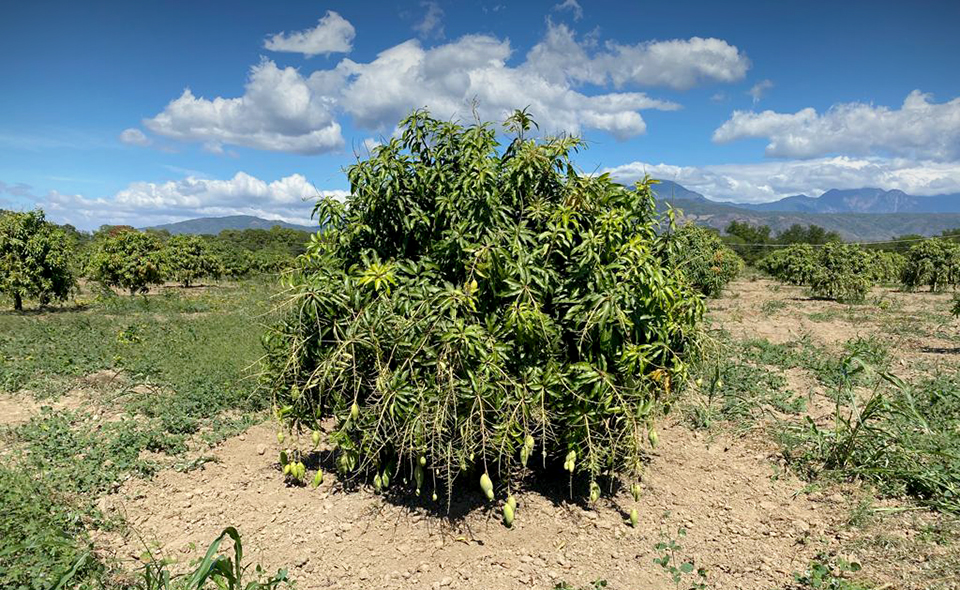
Mango Queen Specialty Mangoes: The Mango Queen specialty mangoes have followed much the same trajectory as the Ataulfos this season. They bloomed almost miraculously despite the widespread lack of flowering, set a beautiful crop, and ultimately produced respectable volumes. However, they too are showing the effects of an exceptionally stressful growing season, particularly when shipped on cold trucks. Like Ataulfos, these varieties are highly sensitive to unnecessary cold exposure for many of the same physiological reasons.
It’s becoming increasingly clear that while these specialty varieties escaped the severe bloom failures seen in many round-fruit orchards, the environmental stress that disrupted flowering was still very much present in the orchards that did produce fruit. That stress is now expressing itself postharvest, particularly when combined with avoidable cold-chain stress.
Harvest should continue for another week or so. Because this is a relatively small crop with ongoing selective picking, availability may stretch slightly beyond the main harvest window.
Sizing is generally on the smaller side this season, although there remains a fairly wide size distribution.
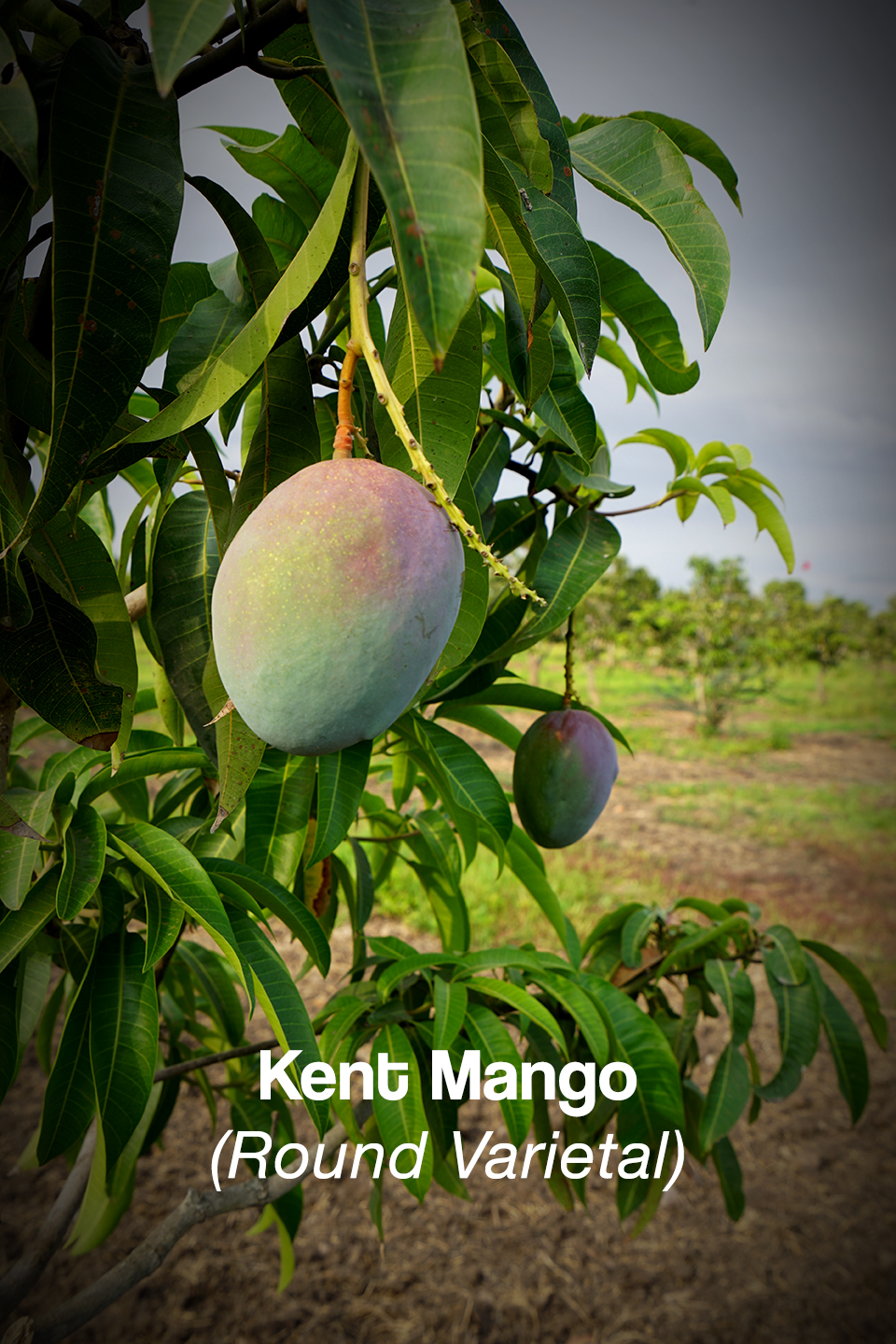
Tommy Atkins, Kent & Keitt: The wildfire crop mentality is also raging in the round fruit. Southern Sinaloa Tommy Atkins are essentially finished now, with only a few lots still appearing. Kents have begun, but volumes are so limited they seem to appear one day and disappear the next. Overall, round fruit supplies remain extremely light. Prices have risen and will likely continue climbing as the crop moves quickly toward what is expected to be an early finish.
I’ll have a more complete report on the round fruit crop next week as I’m still working to verify more details. This week, at least on the organic side, there has actually been a little more fruit than I anticipated, which has been somewhat of a relief. It’s certainly not a waterfall of mangoes, but at least the faucet is still running—albeit like someone is trying to conserve every drop.
From what I’m hearing, Kents will move through quickly before the industry transitions into Keitts. I am also hearing, though I’m still working to verify it, that the Mexican season could conclude around mid-August.
Sizing continues to lean toward the smaller side, although we’ve seen a fairly broad range overall. I’ll have more definitive sizing information next week. Quality has held together better than many expected, and I think we’ve been extraordinarily fortunate that the round fruit has remained relatively strong. That said, I’ll continue to caution the industry that cold trucks and mangoes are simply not a combination that works. Whatever luck you’ve had so far can disappear quickly, and this is not a season where anyone can afford unnecessary losses.
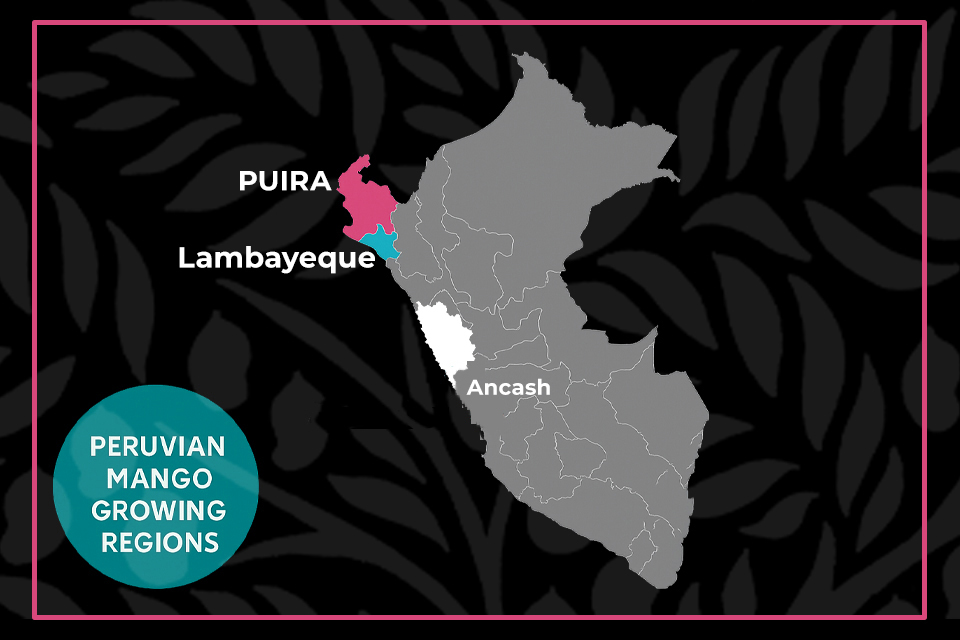
Peru Watch: I noticed a post the other day from Milton Calle that I thought was worth mentioning. Milton is a Peruvian grower whose insights I find to be consistently useful, transparent, and well worth following if you’re interested in the Peruvian mango industry.
It’s far too early for me to draw any conclusions or report on the upcoming Peruvian season, but it’s certainly something we should all be watching closely. With El Niño talk everywhere weather patterns affecting the entire region and multiple crops, conditions may not be particularly conducive to an easy season.
As of June 26, Milton reported that average flowering in Piura was less than 5%. According to him, the buds have not accumulated sufficient starch reserves and therefore lack the energy and hormonal condition necessary to support flowering, largely due to persistently high temperatures. Throughout June, Throughout June, Piura has experienced average minimum temperatures around 22°C (72°F), with maximums reaching 34°C (93°F) on some days.
As he describes it, growers are now faced with a difficult decision: induce flowering (which is not allowed for organic production) now with buds that may still be physiologically immature, or delay induction by at least another 30 days in hopes of achieving better flowering in August. The downside to waiting, however, is the increased likelihood of harvesting during January’s rainy period should El Niño conditions persist.