
No Foolin’ Crop Report
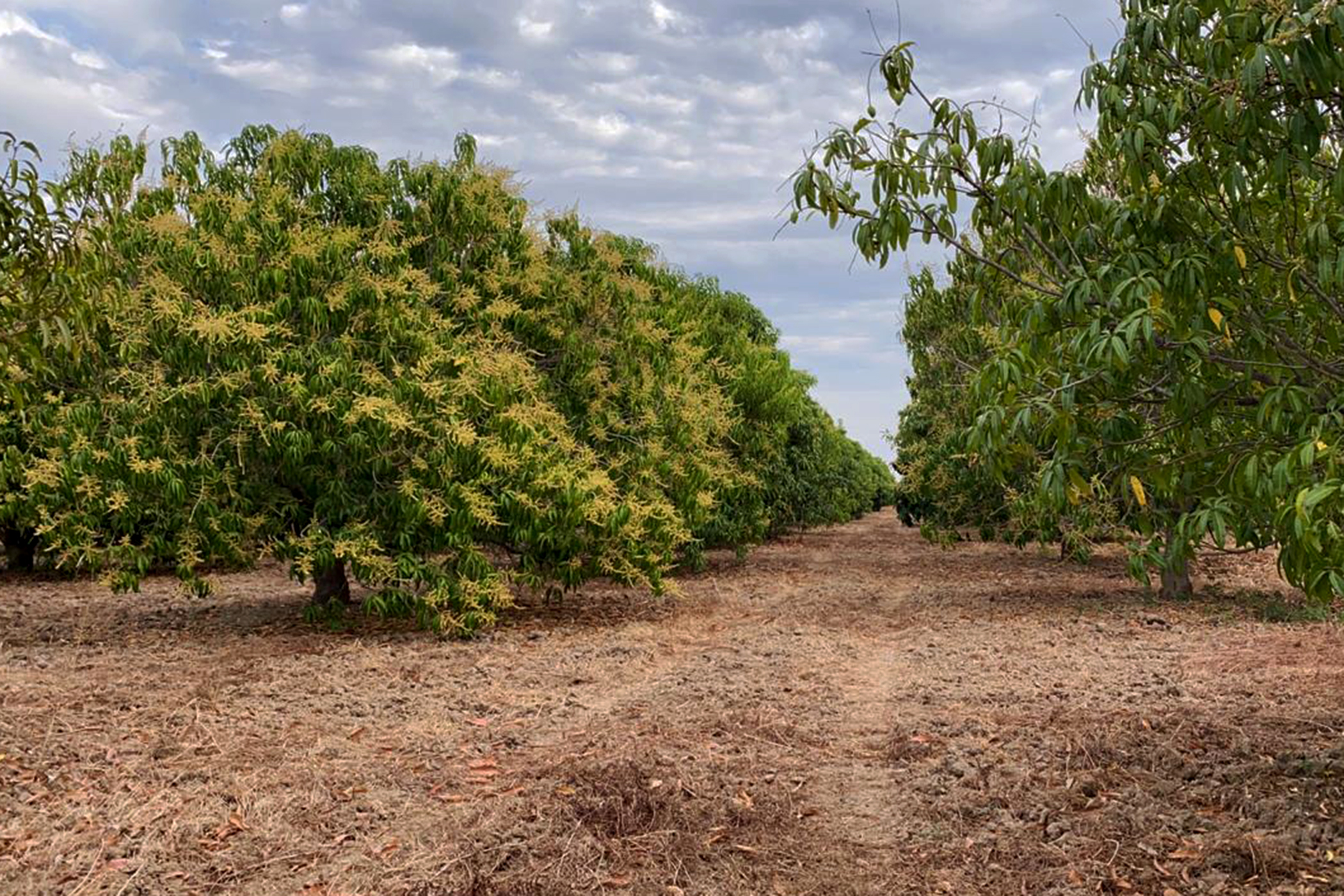
Let’s get right to it. There is only marginally better news than what I reported previously on the outlook for Mexican mango volume out of Nayarit and Sinaloa. The flowering rumors I reported on in the last crop report are true. The delays are real. And from everything I can gather — conversations with people on the ground in Mexico, importers, and my own team at RCF Distributors/Crespo Organic — it is going to be an incredibly tough season. To quote my favorite teammate: “no doubt it will be tough bro”.
April will be a solid month for volume out of Oaxaca and Chiapas — Tommy and Ataulfo — but each day there is less and less fruit as the southern regions move through their normal rhythms. All good things have to end. Nayarit is late and reporting significantly less fruit than normal. Sinaloa is also late, and while it is in somewhat better shape than it was — those cooler nights did bring on more flowers — volume is still well below what we’d expect.
The reality is that from the end of April through the rest of the season, we are likely looking at something difficult, choppy, gappy and unpredictable. It will require surgical precision from farmers, packers, and buyers alike to achieve the kind of easy summer mango success we’re used to seeing at retail displays. Success at retail displays is still possible — it may just look different this summer, and those of us in the organic world know how to work with that.
Once I have more clarity on what’s ahead, I’ll pivot to the specifics of how we get there. But this is what we do (Crespo Organic)— we plan, we support our customers, and we find the path. This is mango expertise. Summer Mango Mania will still bring #MangoJoy. We will find the path.
What will separate those who succeed from those who struggle this season is no mystery — pre-planning, flexibility on price and size, and moving away from the brokerage race-to-the-bottom model. The season ahead won’t forgive that approach. And honestly, that model is just extraction — it always has been. The farmers pay. A season like this has a way of reminding you how valuable the partnerships with farmers are — on the organic side, we’ve always known it.
The Details
The core problem in Nayarit and Sinaloa this season is a flowering failure driven by a warm winter. Mango trees in these regions depend on sustained cool nights across the December through February window to trigger the biological shift from vegetative growth into flowering (Mango Blooms Wow for the story on mango blooms). That cold never arrived. Nights ran far warmer than normal through the two most critical months, the threshold was never consistently reached, and the trees kept pushing leaves instead of panicles. The cold window has now closed. Yields will be significantly impacted.
Last week’s Crop Report – Under the Mango Tree – gave more details by varietal and those details are still true and I believe important.
Compounding the flowering failure is a significant pest surge due to the heat, that I’ve been reporting since the onset of the southern regions seasons with thrips. An increase in fruit fly has been reported to have caused USDA rejections across the southern states, with real concern it could move north into Nayarit and Sinaloa. Warmer winters and erratic weather patterns are creating ideal conditions for pest pressure across the board — mango is not the only crop suffering, I think it’s safe to say the other items have been a warming for the mango industry.
Mexican peak season and the highest US consumer demand is built around two regions and both are heading into this season in significantly compromised shape.
Oaxaca /Chiapas
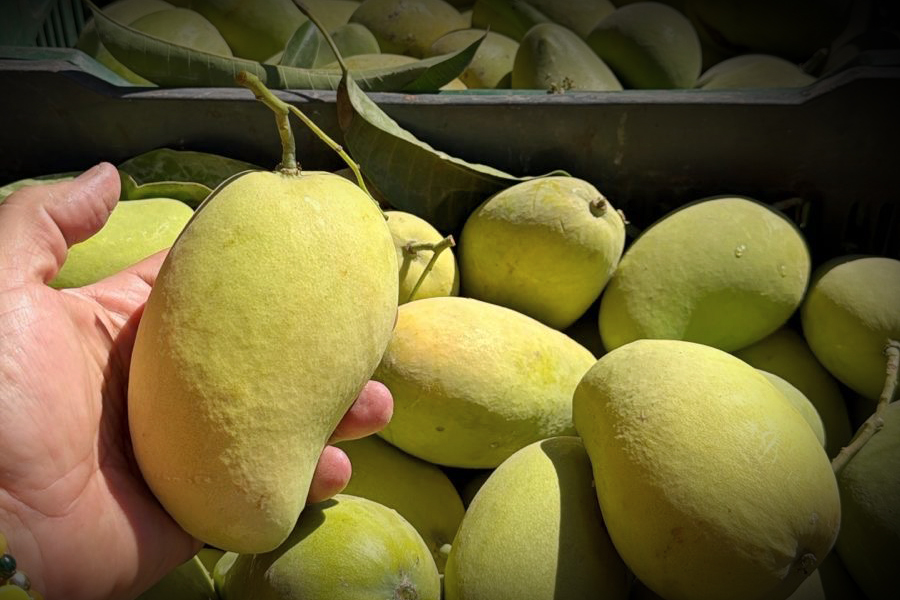
We are in the middle of peak southern production. It has been a complicated season in some ways — organic fruit prices have run much higher, which tells the real volume story that conventional pricing tends to obscure. But we are in a good place right now, with solid volume expected on both Tommy and Ataulfo through most of April. Ataulfo sizing is running large, as expected this late in the southern season, with all sizes available but big fruit dominating. Tommy is doing what Tommy does — mixed sizing across the board, with all sizes available and good promotional pricing opportunities for now.
Fruit will become more limited as the month progresses, and with Nayarit’s serious delays, May could prove problematic. On the organic side this is familiar territory — Nayarit’s late arrival has started to feel like clockwork in recent seasons. We have plans to help mitigate supply gaps, but nature dictates the details. I will continue to report week by week so we can plan accordingly.
According to the Crespo Mango Man (Jorge!), there are a lot of late flowers in the south — so as long as the orchards are properly tended to for fruit fly and anthracnose, we could potentially be harvesting down there through mid-June. Bridging this transition gap is something the team excels at. We have bridged it before, everyone feels confident — and it’s important you have all the details.
Nayarit experienced significant flowering problems and is once again seriously delayed. Volume projections are still being assessed, but the expectation is that fruit will not arrive until early June rather than mid-to-late May — creating potential gap issues that will require careful planning and strong partnerships to navigate. Overall fruit volume is expected to be well below normal. Ataulfos have fared better than the round varieties, and I will report more details in the coming weeks.
Sinaloa
Sinaloa suffered the same serious flowering problems as Nayarit, but the cooler nights that arrived around the time of my last crop report did bring on more flowers than expected. The outlook is better than it was two weeks ago. Overall volumes are still expected to be significantly reduced, and performance will vary by varietal.
In Rosario, where El Grupo Crespo is based, Jorge reports a bit of a respite for the orchards in Sinaloa — light rains have taken some stress off the trees and allowed more time for blooms, which many of them now have. It varies: some orchards already have fruit while others are just beginning to bloom from new branches and panicles. The challenge is that because of the heat, fruit will move to maturity fast — making it difficult to predict the details of exactly what will happen.
Empaque Don Jorge opens April 10th, packing fruit from Oaxaca and Michoacán and ready to pack anything ready in the north. I’ll update weekly as we learn more.
Northern Transition
Climate change is the defining driver of this season’s unpredictability — flowering, fruit set, yields, timing, and sizing have all been affected, and an ongoing serious drought in Sinaloa has compounded everything, pushing toward smaller fruit across the board. None of that is expected to resolve quickly. Nayarit has had some precipitation variability but is part of the same broader regional drought patterns I am watching closely.
That said, when volume does arrive from the north, these regions are built to deliver. The north generally produces higher yields — if any region can pull mangoes from thin air, it’s Nayarit and Sinaloa. Closer to the border, in more reliable transportation lanes, with larger packhouses and deeper infrastructure than the south — the north is equipped to move volume efficiently no matter the volume. The question this season is simply how much fruit there will be to move. The real truth is I don’t know.