Peruvian 2026/27 Mango Season
Peru is entering its mango season with a level of uncertainty rarely seen before. Increasingly unpredictable pricing, significantly reduced volumes and volatile fruit quality, all against the backdrop of a severe El Niño that could change the industry in ways we don’t yet fully understand.
Although this is a crop report, and I will cover what most people want to know, the greater uncertainty lies in how Peru as a country, its farmers and the communities that depend on this industry will navigate the significant challenges ahead. Those challenges go far beyond Americans not finding mangoes on supermarket shelves in December and January, when most people are thinking more about holiday pies than mangoes anyway. The people of Peru and their livelihoods are among the least discussed parts of the crop story that I hope to shed greater light on in my own reporting as the weeks progress. Today, the focus is on the crop itself and what it means for the market.
On the shelf side, Peru starts the season with a significantly smaller crop and an unsettling weather outlook. El Niño-related warming along the Peruvian coast brought unusually warm ocean temperatures and above-normal winter temperatures, disrupting flowering across the country’s major growing regions. Now, as El Niño intensifies, the concern shifts to what comes next: the risk of heavy rains during fruit development and harvest, bringing further challenges for every sector of the industry, from orchard to table.
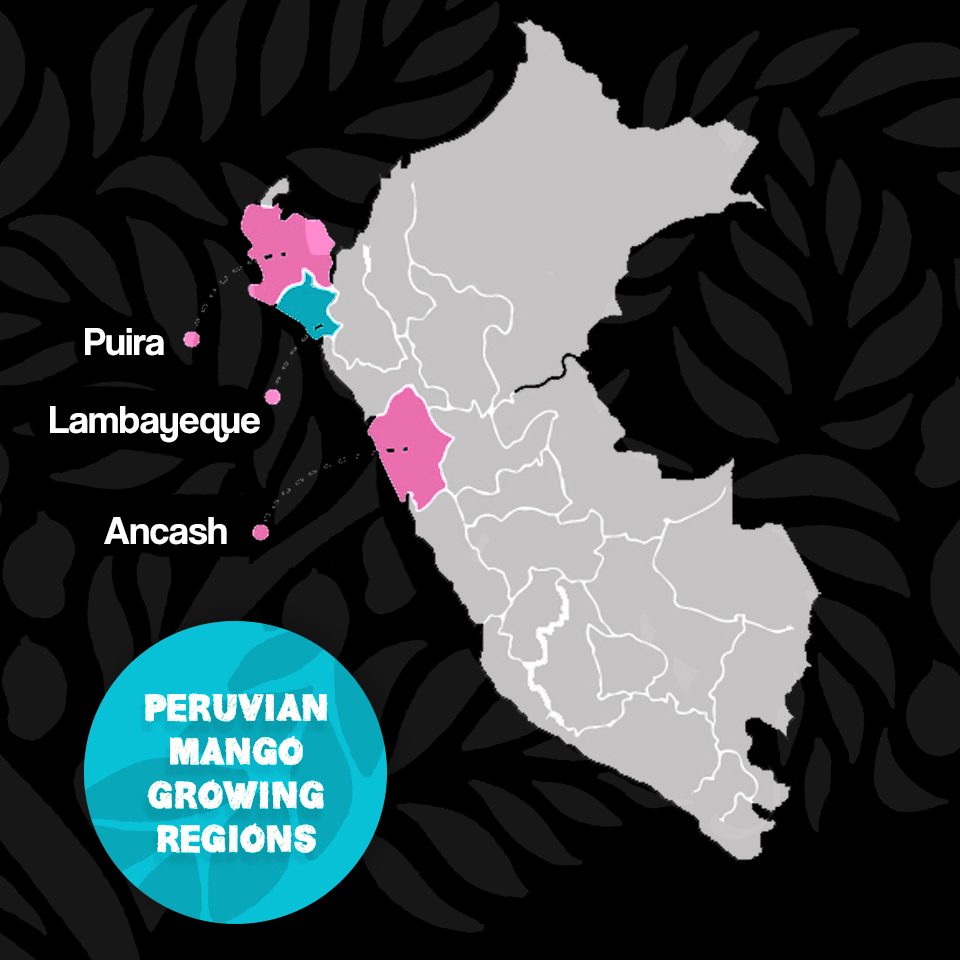
In an Agraria.pe article published November 2, 2026, Keyner Gamarra Azabache, APEM president and CEO of Sunshine Export, projected 2026/27 fresh mango exports at 135,182 tons, down 39.57% from the 223,686 tons exported in 2025/26. He attributed the reduction to high temperatures in Piura, Lambayeque and Áncash that limited flowering. He described the figure as exportable potential, based on what the trees should produce given their phenological cycle, while cautioning that heavy rainfall could further reduce the final volume if harvesting becomes impossible. Just a few weeks later, those projections are already being challenged by the realities of the season. This is why the numbers alone are no longer a reliable guide. The details on the ground, how conditions are changing and what they mean for the crop and the people moving it through the supply chain, are becoming far more important.
I will publish an interview with Keyner in the coming days, looking more closely at the organic sector and many of these issues.
For now, El Niño-related weather, particularly the anticipated rainfall, remains the greatest risk beyond the already limited fruit supply. Higher orchard prices and tighter availability are expected to intensify competition for fruit and put further upward pressure on market prices. But navigating this season will take more than following export forecasts and market prices. Growers, exporters, importers and retailers need a clearer understanding of the changing conditions, the real risks and what is happening at each stage of the supply chain to make informed decisions and find ways to stay afloat. That is where transparency matters most.
Organic production faces even more extraordinary challenges, with significantly less fruit expected than a general bad season. Organic growers cannot rely on synthetic bloom-induction treatments, which are prohibited under organic standards, and must work within the natural flowering cycles of their trees, which get compromised by warm nights during the blooming cycles. This creates additional production constraints, particularly under the unusual weather conditions affecting this season. As a result, organic volumes are likely to be even more constrained and more volatile within the production that exists. In fact, organic volume is perhaps the least certain part of the entire season outlook.
What follows is my attempt to piece together the available information and form a clearer picture of what we can realistically expect, despite the many unknowns. I personally believe it is in the details of this season, and seasons like it, that the industry can learn its greatest lessons. Those lessons go beyond supporting simply the growth of the category. They show how working together through a more direct, tighter supply chain, with an understanding of the needs at every point, creates the most workable solutions to get us through and build better paths forward.
I’ll also be discussing El Niño in greater depth in real time, explaining the science behind what is happening, which I have found helps my own brain understand it better. We often assume everyone understands the intricacies, but I find it helps to lay them out in simpler, clearer terms and show how they relate to mangoes.
For now, it’s important to understand that El Niño is not an isolated weather event. It is a natural climate pattern, made worse by long-term global warming. During El Niño, the trade winds that normally push warm surface water west across the Pacific weaken, and that warm water spreads back toward South America. Off Peru, the warmer ocean raises coastal temperatures and adds moisture to the air, bringing heavier rain to the normally dry northern coast, where most of the country’s mangoes are grown.
Weather: An Exceptionally Warm Winter
Piura experienced one of the warmest and most disruptive winters in its mango-growing history. Nighttime temperatures remained exceptionally high throughout the June–August growing period, depriving orchards of the cooler winter conditions needed for normal flowering. The entire season passed without a single night reaching the expected temperature threshold in the San Lorenzo Valley, an unprecedented pattern in the available temperature record. By September, orchards across Piura and Lambayeque were still pushing vegetative growth when they should have been flowering. In some orchards, flowering had reached only 15%. This was a severe disruption to the start of Peru’s mango season.
Flowering: Conventional vs. Organic
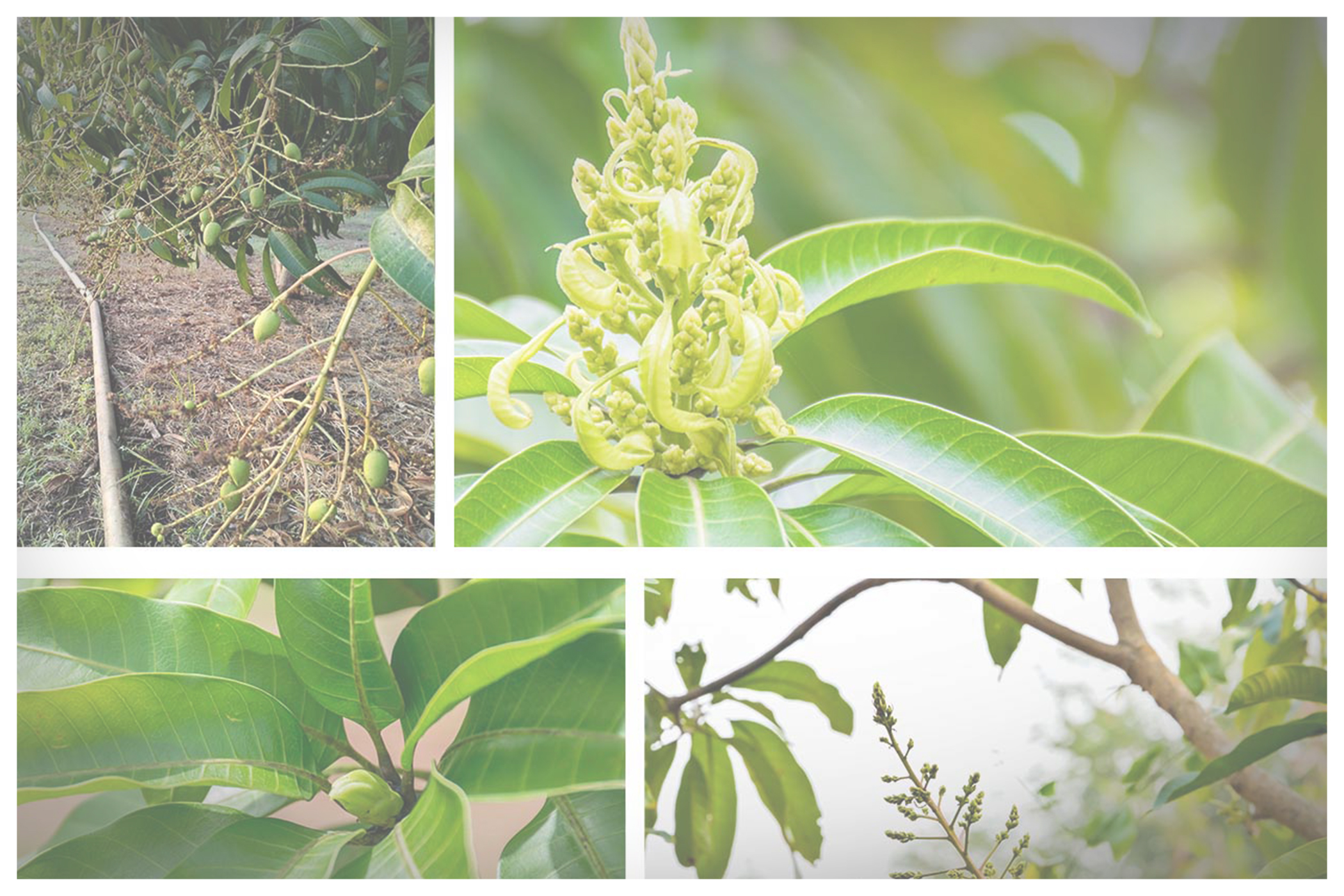
The unusually warm conditions disrupted flowering in conventional and organic orchards alike, but the challenges were different. In conventional production, growers again had to turn to synthetic bloom-induction treatments to compensate for the delayed natural flowering. However, even these treatments proved difficult to use effectively. Successful induction still depends on cooler nighttime temperatures and adequate bud maturity, both of which were compromised this season. Some growers treated buds too early, fearful of the coming rains, triggering another flush of vegetative growth rather than flowers and producing weaker and uneven blooms, which is resulting in a lot of mixed maturity trees. Others who waited for buds to mature before treating, may have achieved better results but pushed harvest further behind schedule. Some of these orchards are now at risk of extending into January, when the threat of heavy rains exists.
Organic growers faced an even narrower window of opportunity. Since synthetic growth regulators and chemical bloom-induction treatments are not allowed under certified organic standards, they depend on natural flowering and practices such as withholding irrigation to encourage trees to bloom. But the prolonged heat worked against both. Trees struggled to build the starch reserves needed to support flowering, and even withholding water offered limited help under these conditions. In Piura, organic flowering was exceptionally late and sparse, with some growers reporting below 5% at the end of June and around 10% in early August, although results varied dramatically between orchards and growing regions.
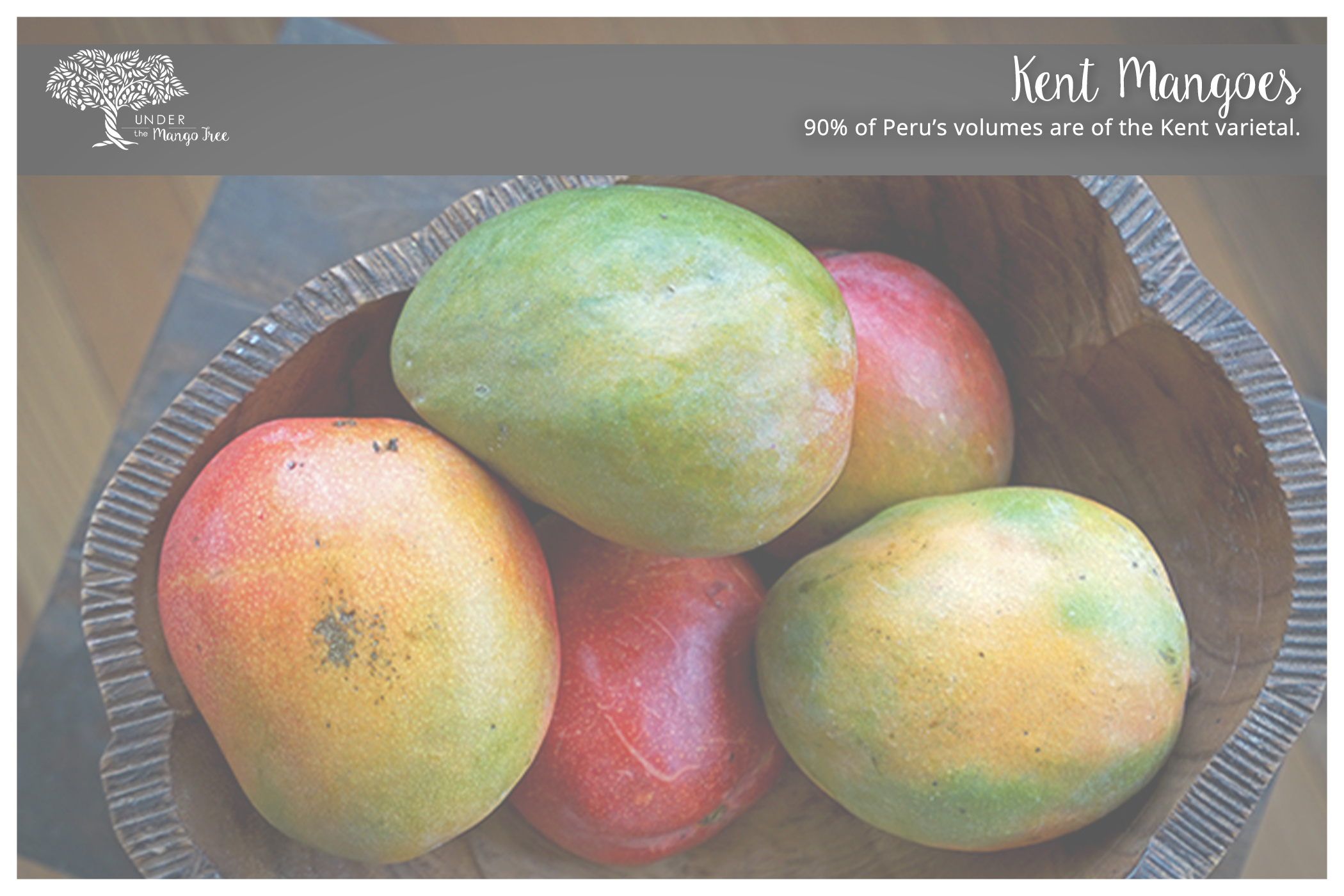
Kent mangoes account for close to 90% of Piura’s cultivated mango area and, much like in Mexico, fared poorly under the unusually warm flowering conditions. Peru’s Edward varietal, mostly exported to Canada and the EU, performed a little better than Kent in the heat, although Edward mangoes present their own challenges, particularly their sensitivity to hot water treatment.
A third flowering, similar to what happened in Mexico, offered some relief to the crop, with orchards in the upper valley flowering better than those in lower San Lorenzo. Despite this encouraging late bloom, however, current forecasts from APEM, PROMANGO as well as general growers still point to a significantly reduced season. Estimates vary widely on just how severe the decline will be, and none provide meaningful detail on the organic share of those projections.
No consolidated organic-specific flowering or production figures have been published. This is an important gap in understanding the actual organic outlook. With organic production already facing additional challenges, the lack of reliable, separate volume estimates makes it particularly difficult for the industry to understand how much organic fruit will actually be available this season.
El Niño and rain
El Niño is one of the biggest uncertainties facing Peru’s mango season. Peru is dealing with two overlapping warming events: a coastal El Niño, where ocean waters heat up right along the Peruvian coast, and the larger El Niño pattern that affects weather across the entire Pacific. The combination raises the risk of heavy rain, flooding, and general widespread disruption.
Peru’s northern coast, particularly Tumbes, Piura, Lambayeque and La Libertad, is especially vulnerable. Heavy rains, overflowing rivers and mudslides threaten agricultural areas, communities, roads and infrastructure. The government has already declared an El Niño emergency across large parts of the country, with flooding also creating serious public health concerns. Some independent analysts are warning that December through February rainfall could approach the levels experienced during the devastating 1997–98 El Niño.
The risk is not limited to the north. While the northern coast faces extreme heat and heavy rain, El Niño has the opposite effect in the south, where Puno, Cusco and Arequipa face drought and water shortages.
For mango growers, the timing is particularly concerning. Heavy rainfall during fruit development and harvest can affect fruit quality, increase disease pressure, disrupt harvesting, restrict orchard access and create serious challenges for packing and transportation. With fruit already in short supply, additional weather-related losses could further tighten availability and complicate an already difficult season. The reality is this makes output volumes totally uncertain.
But there is a much bigger picture here. These are not simply crop and market concerns. The same weather conditions threatening the mango harvest also threaten the people, farming communities, roads, livelihoods and infrastructure that make Peru’s agricultural industry possible. As we look ahead to this season, we need to pay attention to both. El Niño’s impact will be measured not only in how much fruit Peru can harvest and export, but in what its farming communities will have to withstand.
Rain brings several risks on the fruit side:
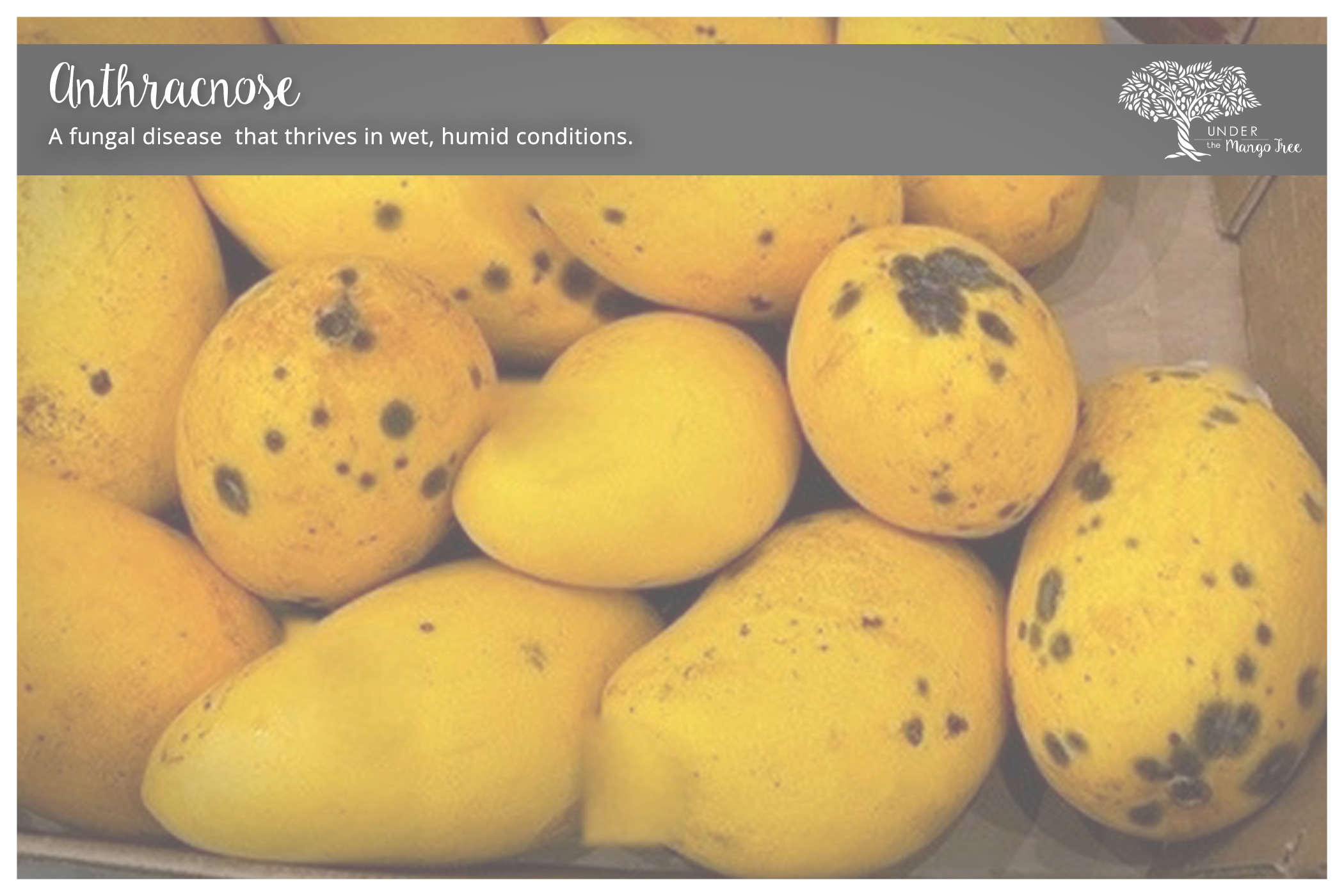
- Anthracnose: This fungal disease thrives in wet, humid conditions. It is a particular concern this year because limited flowering left fruit hanging in clusters under dense foliage.
- Latex and physical damage: Heavy, persistent rainfall can increase fruit damage and latex staining.
- Field access: Waterlogged clay soils and damaged roads can make orchards difficult to reach and interrupt harvesting.
- Labor shortages: Rain and poor field conditions can make it harder to get fruit harvested and transported on schedule.
- Postharvest losses: Fruit that makes it off the tree may still be compromised during packing, storage and transit.
- Shelf life: Rain-season fruit can arrive looking clean and then develop anthracnose spots and stem-end rot as it ripens, which shortens its life at retail.
- Eating quality: Excess water at harvest can dilute sugars and flavor.
A significant amount of Piura’s harvest is concentrated in December and January the period of greatest concern for El Niño-related heavy rainfall, flooding and disarray.
Season opening and quality
The first shipments are coming from a limited number of orchards that flowered early, but this does not mean Peru’s main harvest has opened early. Containers are now arriving in the U.S., and some early fruit is already generating complaints about low dry matter. This raised concerns that mangoes were harvested before reaching sufficient maturity, potentially driven by limited availability of mature fruit, pressure to fulfill export commitments and the threat of worsening weather conditions. Fruit may soften after arrival without ever developing the expected sweetness and eating quality.
Early arrivals should not be taken as a reflection of the condition or potential of the main crop. Quality issues are expected to vary throughout the season, emerging and easing at different points depending on harvest timing, weather conditions and regional growing patterns.
The distinction between total production and exportable supply is particularly important this season. Fruit affected by anthracnose, physical damage, inadequate maturity or harvesting and transportation difficulties may not make export grade. Actual export volumes could therefore fall further than orchard production estimates suggest. This is something Mexico experienced as well.
Markets: Peru, Brazil, Ecuador and Mexico
I am hearing, though I haven’t been able to fully validate the details, that most of the volume of fruit shipping out of Peru is slated for the U.S. rather than European markets. Traditionally it has been the opposite, as the EU generally delivers higher premiums. From what I can tell, substantial cost increases across every sector of the system are making both sea shipments and costly air shipments very difficult to the EU, and the expected math wasn’t adding up, especially with orchard prices higher and expected to be pressured all season. The risk of rain-harvested fruit and compromised quality during the longer transit to Europe is also factored in to this decision from what I have been told.
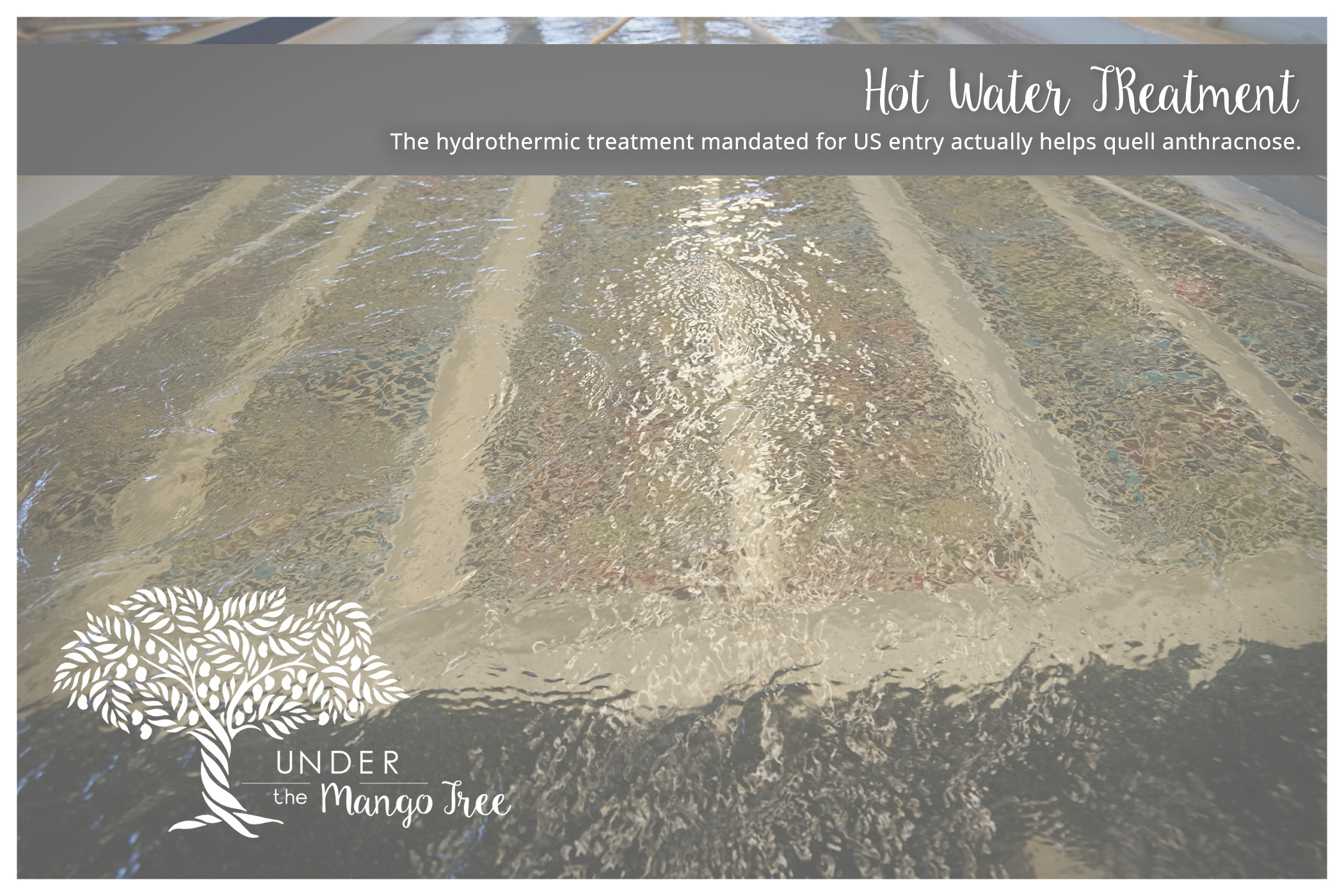
The shorter transit to the U.S. and the hot-water treatment required for that market can help manage anthracnose risk, which many see as inevitable with the coming rains. Many like do not realize that the hot water treatment actually helps quell anthracnose, in many more rainy mango production regions like the Dominica Republic, its not unheard of to use hot water baths even for markets that don’t require it like the EU.
European shipments are expected to pick up in January when fruit from Casma, where production is expected to face lower rainfall risk, enters the mix. Which will put greater market and price pressures on the US bound fruit at that time.
Brazil’s exports are currently strong, but its season is expected to wind down around mid-December. An important distinction for the U.S. market: Brazil does not supply U.S. organic mango programs. While Brazilian conventional fruit can help fill the early supply gap, it cannot replace Peruvian organic supply.
Ecuador isn’t helping much, it is also currently in smaller than normal production, with an even tighter outlook for organic because of its own flowering challenges for the same reason as Peru’s. They are expected to be finished in mid-December as well.
From mid-December onward, Peru’s production shortfall becomes increasingly difficult to replace in both conventional and organic markets.
The pricing picture: conventional versus organic
Prices are high, but the conventional market is fragile. As is typical in the U.S. market, a few weeks of heavier-than-expected volume and late arrivals landing at once could quickly put downward pressure on prices. That will be no indicator of orchard prices which will be very high all season. We expect many of the same pressures between growers and exporters on pricing, along with scenarios no one can predict yet, especially if the rains and the devastation across the growing regions come as expected.
Organic prices are expected to remain very high.
Organic Integrity Issues
Organic integrity has long been a problem in Peru’s mango industry, and this season raises the risk. Often the mathematics of production estimates vs certified organic plots in the country do not add up and that will be something particularly interesting to watch if you care about organics.
This season, the pressure is immense with such limited volumes predicted amidst large global for organic. Most of Peru’s mangoes come from small, dispersed growers, which makes verification from orchard to packhouse difficult, and organic growers have been squeezed by rising costs and low returns for years. With fruit this scarce and margins this tight, the pressure to compromise grows.
Protecting organic integrity is the responsibility of everyone in the chain: growers, exporters, certifiers, and the importers and retailers who decide who they buy from.
Processing uptick
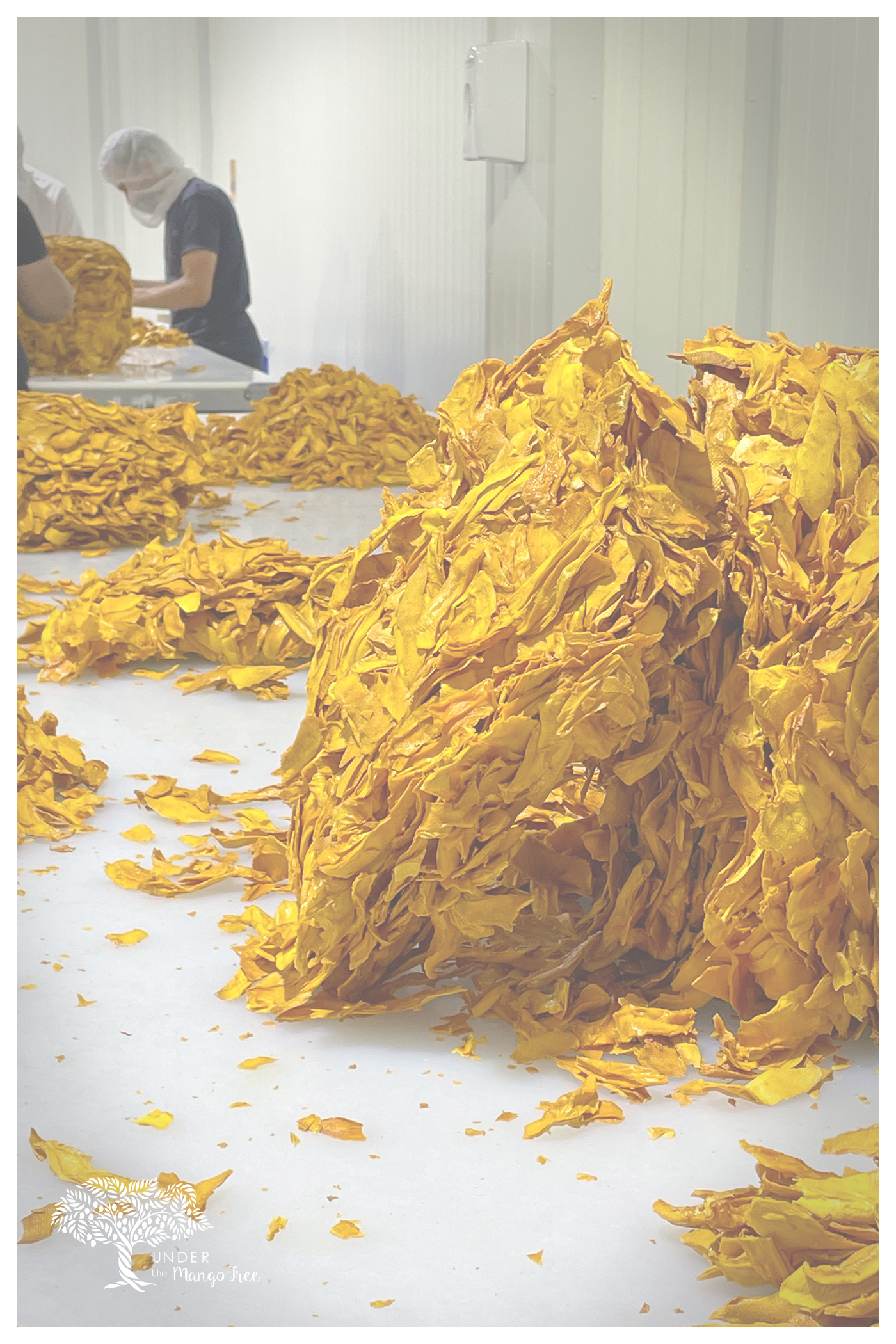
Growers and exporters are planning to send fruit to processing rather than lose it to rain and fresh-market rejections. Organic mangoes made up most of Peru’s dried mango exports in 2026. And with the dried mango sector dry (pun intended) because of Mexico’s last season, this season will have incredible pressure from the processors in need.
Both Peru and Ecuador have established organic mango processing sectors, including dried and IQF products, as well as domestic and regional trade relationships that all stand to add more pressure for the average case of mangoes heading to the USA.
Growers, exporters and the economics of the season
Tensions over orchard prices remain a concern this season, as they were last season, when strikes and harvest halts caused significant disruption.
In a short-crop season, the grower-exporter relationship matters even more. Exporters need enough fruit to meet buyer commitments. Growers want orchard prices that reflect scarcity, their production costs and the risks they carried all season.
Exporters and packhouses largely set the prices and purchasing terms, so disputes can arise over fruit value, payment timing, harvest costs and who carries the risk. When supply is tight, growers may hold out for higher prices, while exporters are locked into contracted selling prices and the costs of packing, treatment and shipping.
Costs were already high before this year’s predicted El Niño. According to Promango, production costs doubled last season, and some orchard prices didn’t cover them. Costs are expected to increase significantly again this season because of El Niño and today’s higher global costs overall.
About a third of Piura’s harvest is expected to fall between late December and mid-January, the highest-risk window for grower problems not even to do with the fruit itself: waterlogged clay soils, washed-out roads, labor shortages and heavy daily rain. Getting fruit out of the orchards, to the packhouses and onto ships will cost more and take longer. The infrastructure is not prepared for what is expected, which leaves little room for error or disputes. Cooperation and transparency will be essential to move the available fruit efficiently and protect the economics of the whole supply chain.
The bottom line
Organic Peruvian mangoes will be scarce, expensive and unpredictable this season. Organic flowering was later and weaker than conventional, there are no reliable organic-specific volume estimates, and El Niño rains threaten the December–January window when much of Piura’s fruit is expected to be harvested.
Buyers should plan for less fruit, high prices and uneven quality, and watch weekly availability rather than season forecasts. With supply this limited and demand this strong, organic integrity is at greater risk than usual. When organic volumes offered do not add up against certified production, ask questions and know who you are buying from.
US importers, wholesalers, retailers and processors have a real stake in what happens this season. Their commitment to Peruvian organic programs, willingness to support growers through supply disruptions and understanding of the pressures on production will directly influence whether organic farmers can weather El Niño and sustain their operations into future seasons.
*Also, stay tuned for a series of reports I’ll be publishing throughout the season, with a closer look at the consumer experience. We can’t lose sight of the mango lover in all of this. How does the fruit store? How does it eat? How does it perform in the kitchen? Ultimately, the consumer is at the heart of everything we do. Without a happy consumer, none of the rest really matters. And with the crop outlook in this report pointing to what could be a particularly brutal season, understanding the consumer and keeping them happy will be more important than ever.