Getting Close to Last Call

Prices are rising fast, supply dropping fast; a reflection that the inevitable end is near. We are in the last weeks of the Mexican mango season, and an ending as we know coming much earlier than normal.
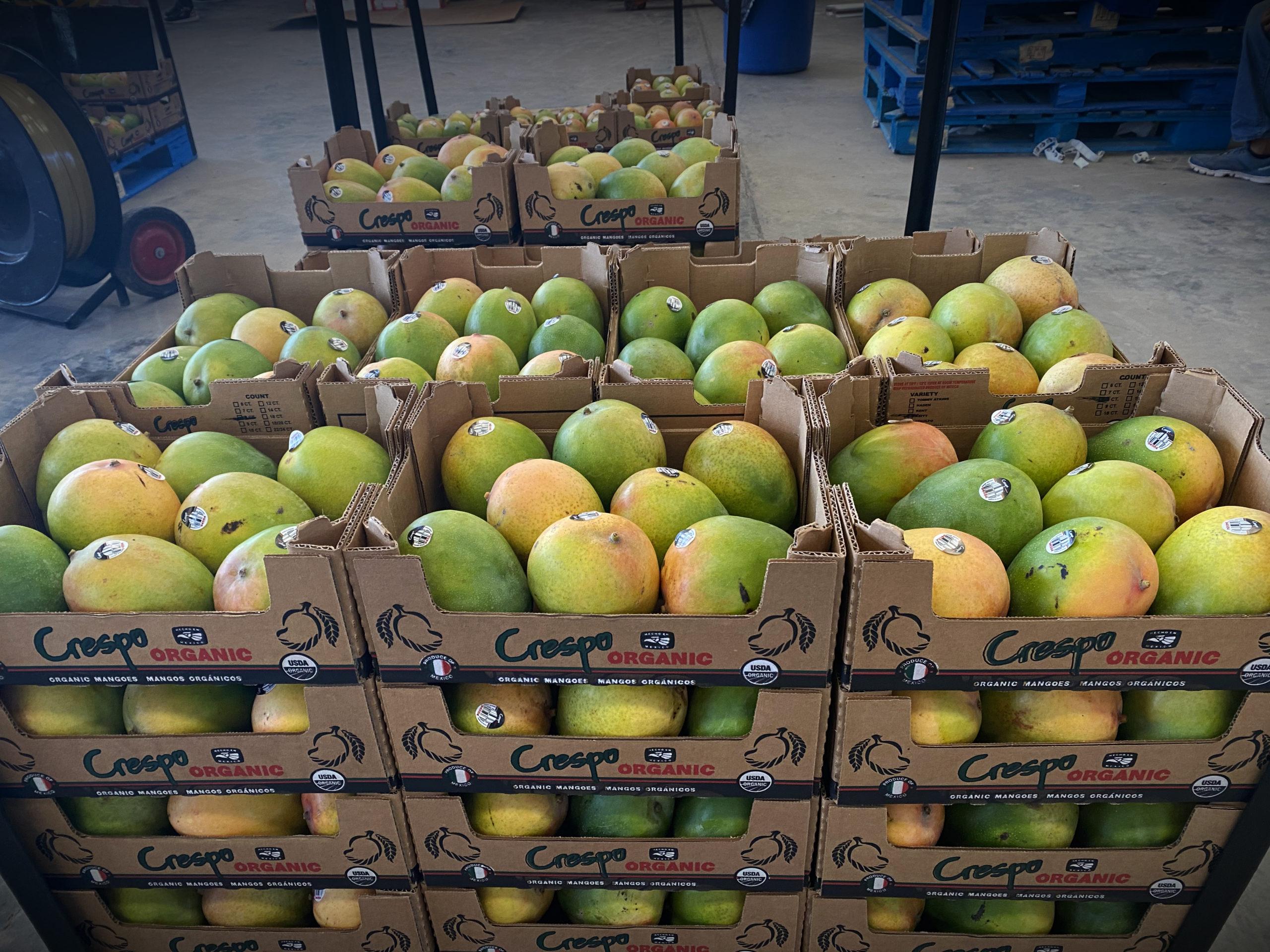
On the organic side, everything is currently hailing from the Los Mochis non-hot-water-treated zone. It’s all Keitts—and it looks like there are just barely under two weeks left of harvest for the entire Mexican season. Most everything is big and beautiful.
All things considered in the past eight difficult months, it’s a very nice finish.
The weather in Los Mochis has been near perfect for mango quality. There has been very little rain—enough to support the fruit positively, but not enough to bring any of the negative effects excessive rain in this zone can have on quality.
The result is some pretty amazing-looking mangoes. It may seem counterintuitive, but the rains that often come at the end of each region’s mango season, as part of the normal weather pattern, can trigger or accelerate the expression of anthracnose on mango skin. This is one of the complications of this particular region, which is a non-hot-water-treated zone: hot-water treatment can help prevent anthracnose from expressing itself on the skin.
So, in a normal Mochis end of season, we can often see a lot more ugly mangoes. This is not at all that kind of season; on the contrary, it’s nearing perfection, outside and inside.
The maturation rate we have experienced all season long, with fruit moving to ripeness like wildfire, still exists and, in this case, is contributing to the same amazing, sweet, complex flavor we have seen all season long. The difference here is in the varietal. Keitt mangoes, as Crespo nicely explains in the science of ripening, AKA The Ripening Room, have one of the slowest maturation rates of the Mexican-grown varietals.
Keitts in general have a naturally slower ripening curve than many other mango varietals. Keitts’ respiration and ethylene activity increase more gradually, so the fruit takes longer to move from mature-green to fully ripe, giving us a longer, more forgiving ripening window. So despite the fact that they are still ripening faster than they normally would, like all the fruit has been all season, these feel a million times slower to ripen, giving us all a reprieve from the pressure and adding to the pleasantness of this Mexican ending.
Mexican Keitts & the Value Equation
Right now, there is a lot of larger fruit, which is typical of Keitts and typical of the Mochis region and a result of the recent rainfall. Prices are rising but things are still econimcal all things considered.
Mochis this season is generally producing 4–8 counts, with some 9s and 10s freckled in. There is a wide range, although 5–7 count is generally where we are seeing the strongest sizing. The conventional demand is increasing and pressuring sizes as the supply overall is turning negative.
Organic price points? Considering everything this season has thrown at us, they actually feel more than fair—especially when you compare mangoes with other organic fruit items in produce.
The Ending & Dried Reminder
Keitt is always the final chapter of the Mexican season, but this year that chapter feels particularly abrupt. I expect the Mexican season to end before the end of the month, significantly earlier than normal.
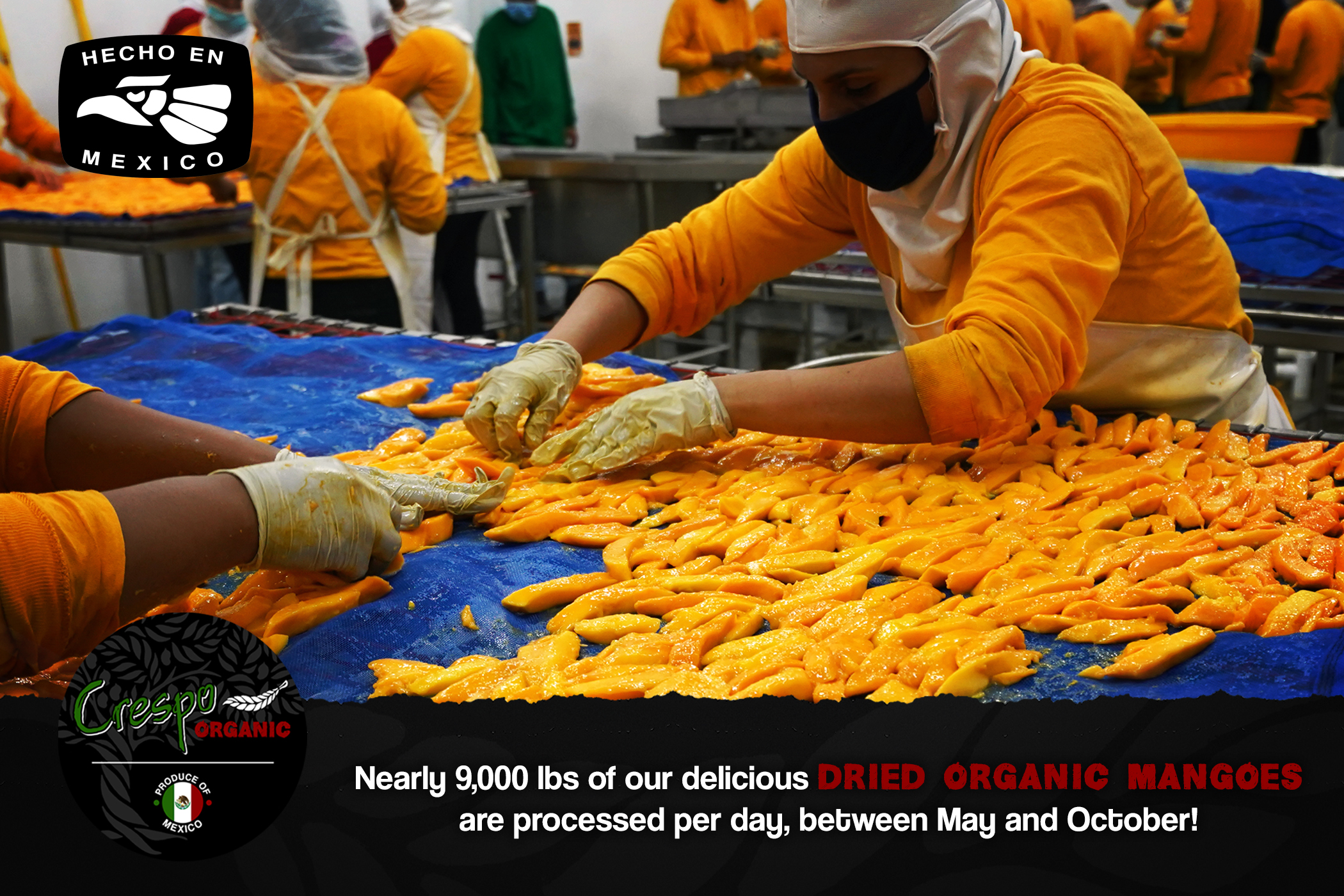
And as the fresh season winds down, the dried mango sector is winding down with it. Drying is basically finished, and the final count is coming in—as predicted—significantly short.