Mango Nutrition: Variety & Ripeness
Most mango nutrition education gets condensed into a narrow, one-size-fits-all concept — that mangoes are a superfood, loaded with vitamins, and great for immunity. None of that is wrong, but it misses what drives mango nutrition: variety and ripeness. These are the two most important factors in understanding what a mango truly offers nutritionally, yet they are almost entirely left out of the conversation.
My ongoing mango ripening work, which includes Crespo Organic’s The Ripening Room — currently in preparation for a full unveiling in mid-May — is designed to show greater depth into what a mango can offer, in the case of nutrition educating mango lovers that a mango’s nutrient content is not a fixed value, but rather varied and shifting, changing through ripening stages and from one varietal to the next.
Green vs. Ripe — and Everything In Between
A mango’s nutritional profile changes at every stage of ripening. Green mango is highest in Vitamin C, potassium, Vitamin K, folate, and copper, and delivers insoluble fiber that supports gut motility. As the mango ripens, those values shift. Vitamin A and beta-carotene increase dramatically — beta-carotene goes from minor player when green to dominating the carotenoid profile in a fully ripe mango, which is also what drives the color change in the flesh. Omega-3 and omega-6 fatty acids increase with ripening — one of the most underreported aspects of mango nutrition. Fiber doesn’t disappear but changes form, becoming more soluble at full ripeness, feeding the gut microbiome and slowing sugar absorption. Ripe mango also contains active digestive enzymes — amylase — that aid in carbohydrate digestion, a functional benefit almost never discussed in consumer mango education.
The semi-ripe stage sits at its own unique nutritional intersection — polyphenols, including mangiferin, peak here before beginning to decline at full ripeness, making it arguably the most nutritionally complete eating window of all.
No stage is nutritionally inferior. They are just different, and each one has its own argument.
For a deeper dive into Mango Ripening Nutrition and the Science of Mango Ripening visit Under the Mango Tree.
Nutrition by Varietal
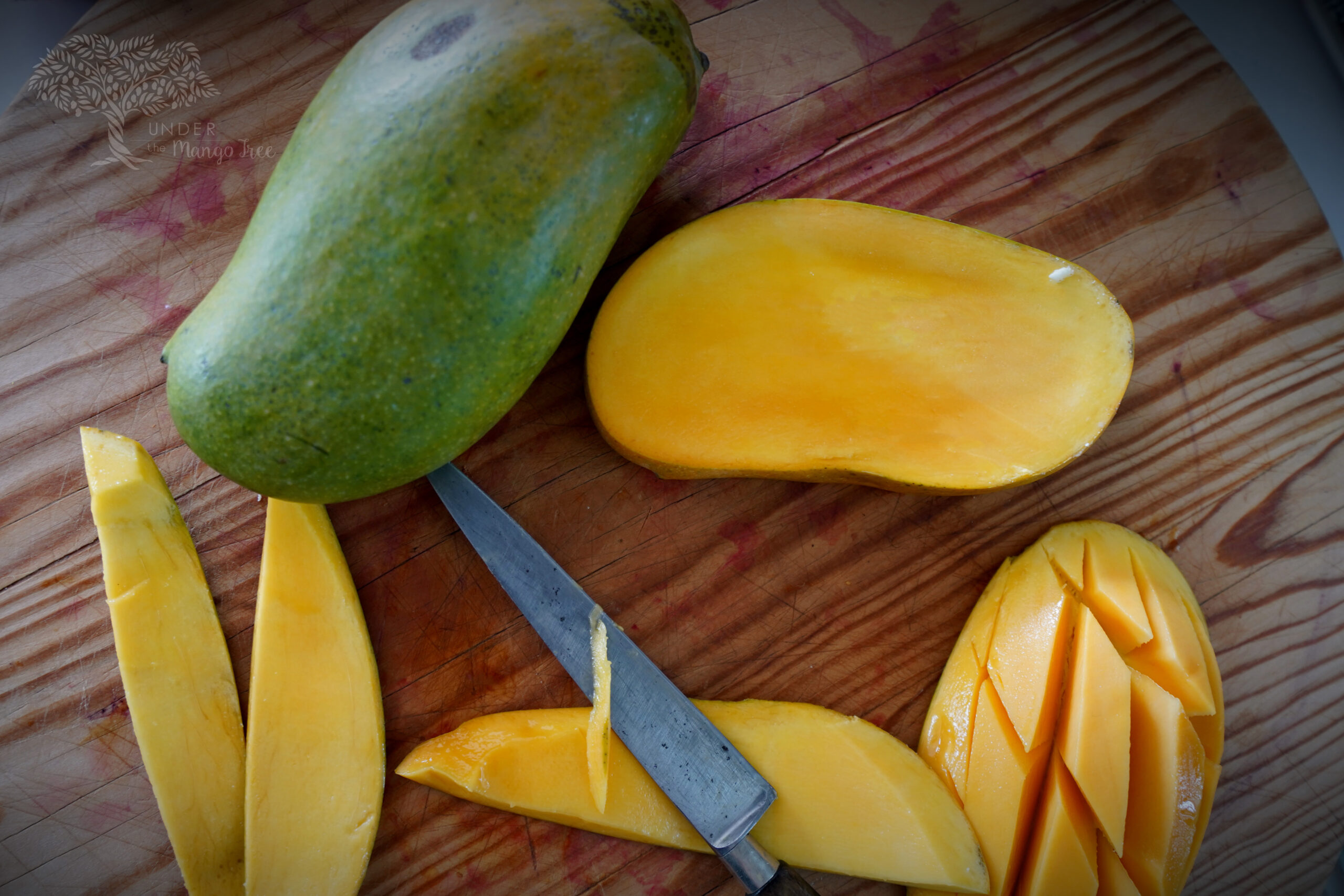
Ataulfo is small, dense, and nutritionally punchy. It doesn’t eat green — unripe Ataulfo is intensely bitter due to high tannin concentration in the early ripening stage. As it moves into semi-ripe, tannins break down rapidly, triggering the starch-to-sugar conversion that delivers its signature sugar-caramel sweetness. This makes semi-ripe to ripe the only viable eating window, but also its peak nutritional window — polyphenols and mangiferin are at their highest concentration at semi-ripe, while Vitamin A and beta-carotene peak at full ripeness. A deeply golden, fully ripe Ataulfo is one of the best whole-food sources of Vitamin A you can eat. Higher folate concentration than larger, higher-water varieties. Its virtually fibreless flesh means lower total fiber delivery, but on polyphenols, mangiferin, folate, and Vitamin A it outperforms most. Cold chain sensitive — a poorly handled Ataulfo will underdeliver on every one of these metrics.
Tommy Atkins The most commercially available mango in the US and consistently underestimated nutritionally. Its thick skin and slower ethylene response means it ripens more gradually than most varieties — giving a longer window at each nutritional stage. Green and semi-ripe Tommy delivers meaningful Vitamin C, potassium, and insoluble fiber — and because Tommy has more fiber than most varieties, that insoluble fiber contribution at the green and semi-ripe stage is significant, making it a strong gut-health choice. As it ripens, fiber shifts from insoluble to soluble, Vitamin C declines, and Vitamin A and beta-carotene build toward full ripeness. Polyphenols peak at semi-ripe then decline. Its thick skin and cold-chain resilience mean its nutritional profile is more likely to arrive intact than more delicate varieties.
Kent The best round mango all-around nutritional performers of commercial mangoes in the US. Green and semi-ripe Kent delivers meaningful Vitamin C, folate, potassium, and insoluble fiber. Its fiber is more substantial than many varieties with a cleaner flesh texture, meaning total fiber delivery is genuine across all ripeness stages. Polyphenols peak at semi-ripe. As it ripens, fiber shifts from insoluble to soluble, Vitamin C declines, and Vitamin A and beta-carotene build significantly — the deep orange flesh at full ripeness is a direct signal of high carotenoid activity. Omega-3 and omega-6 fatty acids also increase toward full ripeness, adding to an already strong nutritional profile at that stage. Kent is one of the few varieties where eating across every ripeness stage delivers a meaningfully different and complete nutritional return each time.
Keitt has a slower ripening profile than most mangoes, which means it holds Vitamin C longer — making it the standout Vitamin C mango in the lineup and likely a contributor to its distinctly lemony flavor. Unlike most green mangoes, Keitt is naturally sweet even when unripe — its starch-to-sugar conversion begins earlier in the ripening cycle, meaning you can eat it green and still get peak Vitamin C, polyphenols, and insoluble fiber without the harsh tartness that makes most green mangoes unpalatable raw. As it ripens, Vitamin C gradually declines while Vitamin A and beta-carotene build more slowly than faster-ripening varieties, giving a longer nutritional window at each stage. It ranks among the lowest-fiber mangoes, with most fiber concentrated around the pit.

Mallika is an Indian-lineage varietal with one of the highest mangiferin concentrations of any mango. Indian-lineage varietals produce significantly more mangiferin — the mango’s most studied anti-inflammatory polyphenol — due to their genetic lineage, and Mallika is among the strongest expressions of this. Polyphenols and mangiferin peak at semi-ripe, making that the most potent antioxidant and anti-inflammatory eating window. Green and semi-ripe Mallika delivers meaningful Vitamin C and folate — consistent with other small, dense varietals. As it ripens, Vitamin C declines while Vitamin A and beta-carotene build. Its flesh is smooth and virtually fibreless, meaning total fiber contribution is low across all ripeness stages.
Nam Doc Mai is a Thai-lineage varietal — a lineage known for higher natural sugar concentration at full ripeness, which affects both flavor intensity and glycemic impact. Delicate and aromatic, with a solid nutritional profile across its ripening stages. Green and semi-ripe delivers meaningful Vitamin C and folate. Polyphenols peak at semi-ripe then decline toward full ripeness — making semi-ripe arguably its most nutritionally complete window, with peak polyphenols alongside developing sugars and still-high Vitamin C. As it ripens fully, Vitamin C declines while Vitamin A and beta-carotene build, natural sugar concentration increases significantly, and digestive enzyme activity — amylase — becomes more pronounced, aiding carbohydrate digestion. The aromatic esters that develop during ripening also carry prebiotic properties, an underreported aspect of its nutritional profile. Its virtually fibreless flesh combined with high sugar at full ripeness means glycemic impact is worth noting — semi-ripe is a meaningfully better choice for anyone managing blood sugar. Cold-chain sensitive — a poorly handled Nam Doc Mai will underdeliver nutritionally at every stage.
Kiew Savoy is a Thai varietal whose name literally means “eat it green” — and the nutrition in the green stage is interesting. Most mangoes are bitter when green due to high tannin concentration that only breaks down as ripening progresses. Kiew Savoy has naturally low tannin concentration even at the green stage, which is why it delivers sweetness and crunch without any ripening required. Green Kiew Savoy delivers peak Vitamin C, folate, potassium, and insoluble fiber — nutritionally green is the strongest stage for those specific values. As it moves into semi-ripe, polyphenols peak — the most antioxidant-rich window. At full ripeness it becomes fibreless, floral, and very sweet, with Vitamin A and beta-carotene at their highest, natural sugar concentration elevated, and amylase enzyme activity pronounced, aiding carbohydrate digestion. Its virtually fibreless flesh across all stages means total fiber contribution is low regardless of when it is eaten.
Diversity is the Best Nutritional Strategy
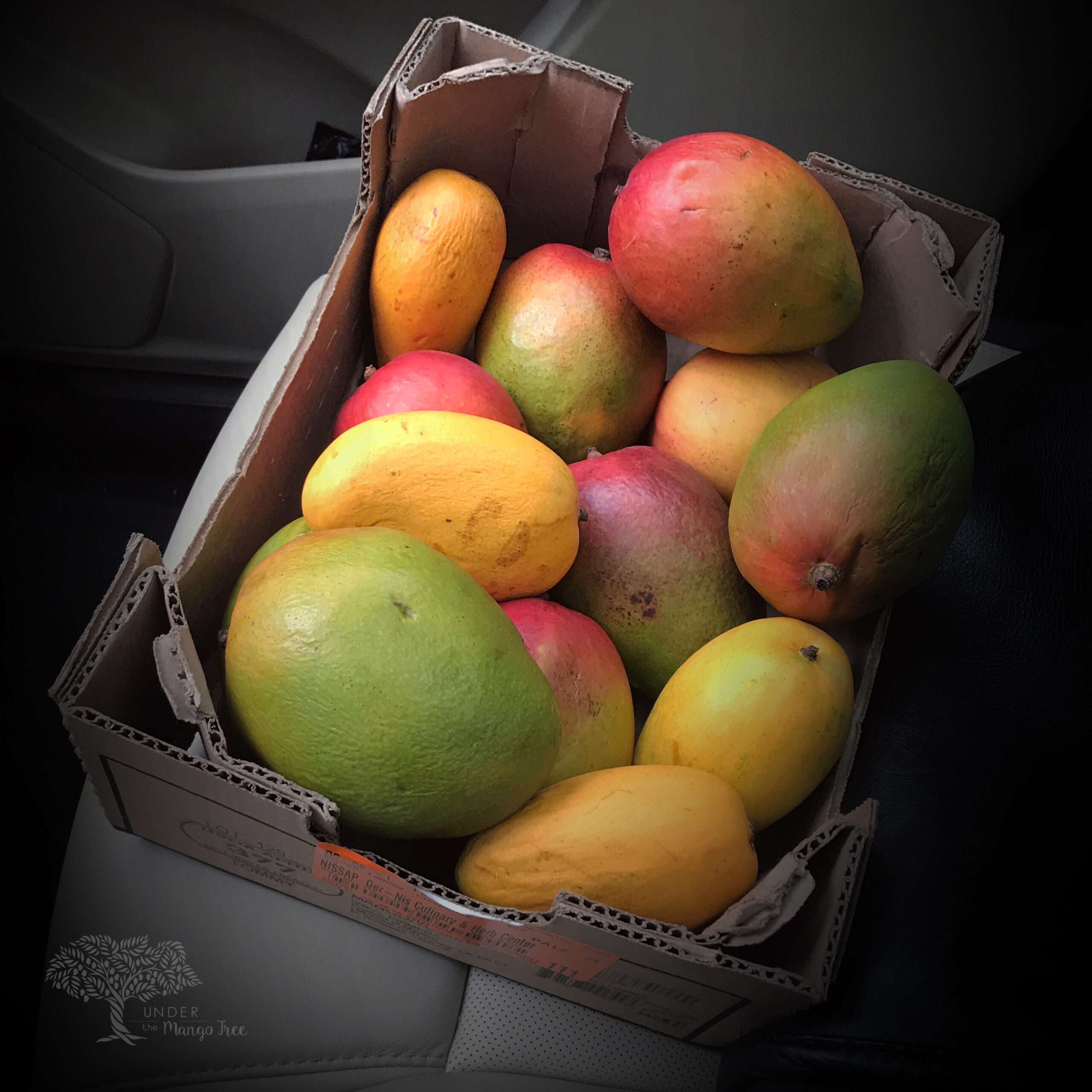
To optimize the nutritional value of mangoes, eat across all varietals at all stages of ripeness. Diversity is the best nutritional strategy — eating across all the mangoes delivers a broader nutrient range and different functional benefits at every stage. Real mango nutrition is complex, just like most good things are.
Explore Crespo Organic’s #MangoWellness campaign for more nutritional content unfolding throughout April, tied into The Ripening Room and science and culinary expert-backed #MangoEd. Use the Mango Nutrients Guide for more details guidance.