Oaxaca & Chiapas Operations Resume
Yesterday, in a blog post, I reported that packhouse operations in Mexico had been forced to shut down after the Mexican Army killed Nemesio “El Mencho” Oseguera Cervantes, leader of the Jalisco New Generation Cartel, on February 22nd in Tapalpa, Jalisco. The operation — carried out by Mexican special forces with US intelligence support — triggered immediate and widespread cartel retaliation across more than a dozen Mexican states. Narcobloqueos — burning roadblocks — paralyzed highways, Guadalajara went quiet, Puerto Vallarta shut down, and the US Embassy issued shelter-in-place warnings across multiple states. In direct response, USDA suspended all personnel from packhouse operations and field work across Mexico.
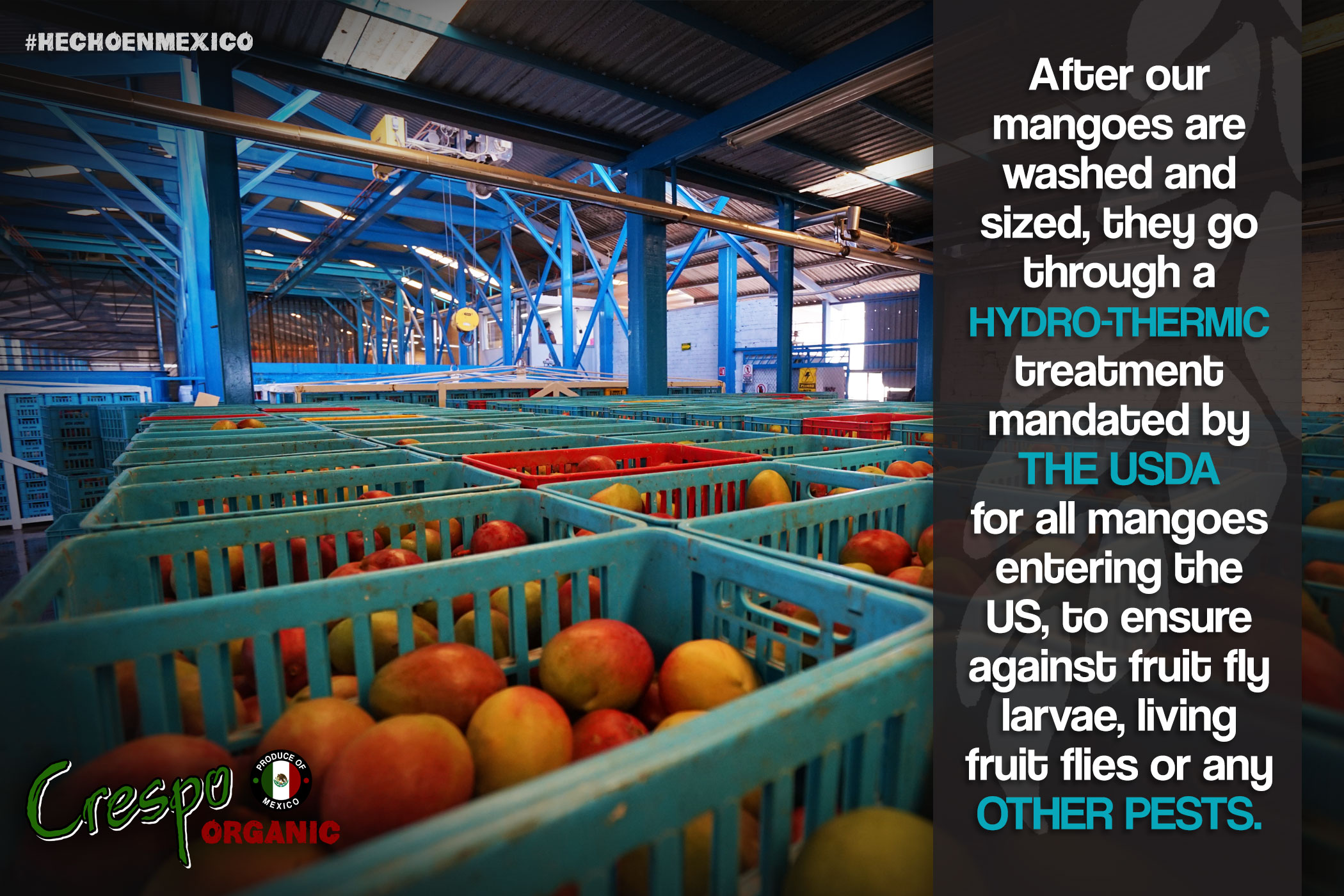
Today the situation has shifted — partially. USDA inspections in Oaxaca and Chiapas have resumed as of this morning, and from what I understand, government officials and export agencies are working actively together to bring other states and production zones back online. President Claudia Sheinbaum continues to put out messaging that peace has returned, reporting no new roadblocks and urging calm. The quiet is notable — some describe it as eerie — with security forces maintaining a very heavy presence throughout the country.
For those of us in the mango industry, here is what matters today.
Oaxaca and Chiapas are the only regions in this part of the Mexican season currently packing organic mangoes, and inspections have resumed in both states as of today. That is genuinely good news. However, the situation on the ground remains tense and the broader Mexico-wide logistics picture is still significantly disrupted. Reports of trucking delays from various shippers are ongoing — roadblocks may be diminishing but they have not disappeared entirely, and we should expect those delays to continue into the near term. Trucking capacity is tightened across Mexico and a logistics slowdown is in effect industry-wide.
The deeper issue worth watching is what comes next. This is the question everyone in Mexico is sitting with right now. When major security events of this scale occur, historical patterns suggest the road to stability is rarely immediate. For our supply chain that means staying close to the situation as it evolves, prioritizing worker safety above all else as each production zone comes back online, and recognizing that conditions vary significantly from region to region.
A note on the scope of this report — I do not have full visibility into every commodity, every packer, or every export system operating across Mexico right now. This situation is so layered and regionally specific that each supply chain is navigating its own set of realities on the ground. What I can report on with confidence is the Crespo Organic system and what we are seeing in general organic mango operations in the south. Beyond that I am drawing on what is coming in from the broader industry.
What I will say again — and this moment proves it once more — is that owning your own packhouse matters. When the ground shifts, and in this business it shifts in ways nobody plans for, the operations with direct control over their own infrastructure have consistently shown the most nimble and effective responses. No waiting on third-party decisions, no vulnerability to someone else’s risk tolerance. The Crespo model is built on that ownership and it continues to pay off precisely in the moments when everything around it is uncertain.
This situation remains fluid. We will keep reporting as it develops.