The Peruvian Underbelly
I’ve been getting a lot of questions about Peru lately, even though I’m not currently involved in selling Peruvian fruit. Beneath those questions pulses a collective urgency to “move on” to Mexico — which is unusual, considering the Mexican season has barely begun. Most Mexican packhouses won’t open for a few more weeks, and once they do, the early start is Ataulfos for several weeks before the main round volume starts. The despondency in regards to the Peruvian season is severe and it had me a bit perplexed.
I started looking closer at what’s happening in Peru — beyond the weekly data reports and the blinkered language of cases exported/imported. Friday I ran across an APEM (Peruvian Association of Mango Producers & Exporters) post on LinkedIn and it’s verbiage about ongoing disruption and violence disoriented me, as I had been hearing mostly low volume chatter, not unrest.
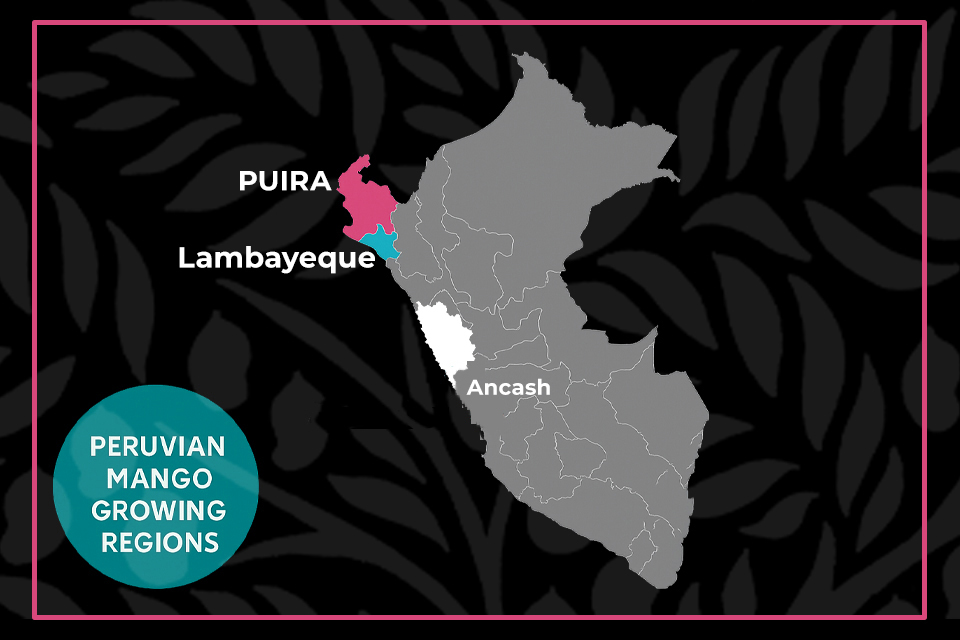
When I first read the APEM public statement, I didn’t have much context —they were putting out a clear message: they do not support the unrest, underscoring that mango work in Piura (Peru’s main mango-producing region in the northwest) depends on uninterrupted harvesting, packing, and movement of fruit, and that violence or intimidation threatens both people’s right to work and the commercial flow of mangoes. The statment calls on authorities to show up, enforce order, and keep the sector operating under the rule of law.
I looked over their LinkedIn and found another similar post dated in late November that echoed the same idea- that APEM is warning that the mango harvest has to keep moving — it can’t be interrupted or wasted. Essentially a “keep harvest + transit flowing” message tied to the unrest, pushing for continuity so fruit doesn’t get stranded and the industry doesn’t take a bigger hit.
I was totally perplexed by why I — and the broader industry here on the ground in the U.S. — hadn’t heard more about this. Strikes are a fairly normal part of the business, but after a few calls with producers and exporters, I realized the situation has been quite serious all season long. I started connecting dots, and it became clear fast: Peru isn’t just dealing with “low volume.” It’s dealing with a system under intense social strain — and with so many issues in play, controversy about fruit price to mango farmers appears to be the main driver behind the unrest reflected in APEM’s statement, and the broader disruption across the industry.
Peru has had a hard season, no question. But the farmer economics story is the full-season underbelly — the piece that exposes the real complexity and vulnerability inside Peru’s mango industry, and it doesn’t seem to be getting captured in the weekly case reports, or in the produce industry’s more “sponsored” version of trade coverage and agronometrics compulsions.
The story isn’t new: farmers wanting to getting paid what they need to survive and sustain the work. Demand keeps rising, exports keep “growing,” and the industry keeps celebrating momentum — but amidst rising costs and shifting climates Peruvian farmers keep reporting struggle, not success. I think that is important news for all of us.
What low-volume reporting lately is missing are the details underneath it: strikes, violence, angered farming communities, road blocks, detained trucks, and packing operations repeatedly interrupting the export flow of Peruvian mangoes—organic and conventional. Piura has moved through waves of unrest on top of already lower crop volumes and ripeness (Brix) delays, and that stacked pressure is a major reason Peruvian mangoes haven’t been showing up on shelves across Europe, the U.S., and Canada the way they should be all season long.
And even though I don’t know all the details, what I do know is that these issues on the ground are real and causing the kind of disruption that creates chaos for the entire chain: farmers lose harvest windows, crews lose wages, packing houses cant pack, exports can’t flow reliably, and retailers lose sales on an item with extraordinary momentum.
Fruitnet flagged the violence and farmer economic issue in Peru months ago (I missed it but am now subscribed). No U.S. publication has really put a spotlight on it, which made it difficult for North Americans who weren’t directly plugged into Peru to have no real clue what was unfolding on the ground — and the full picture of why the pipeline continues to be quite barren.
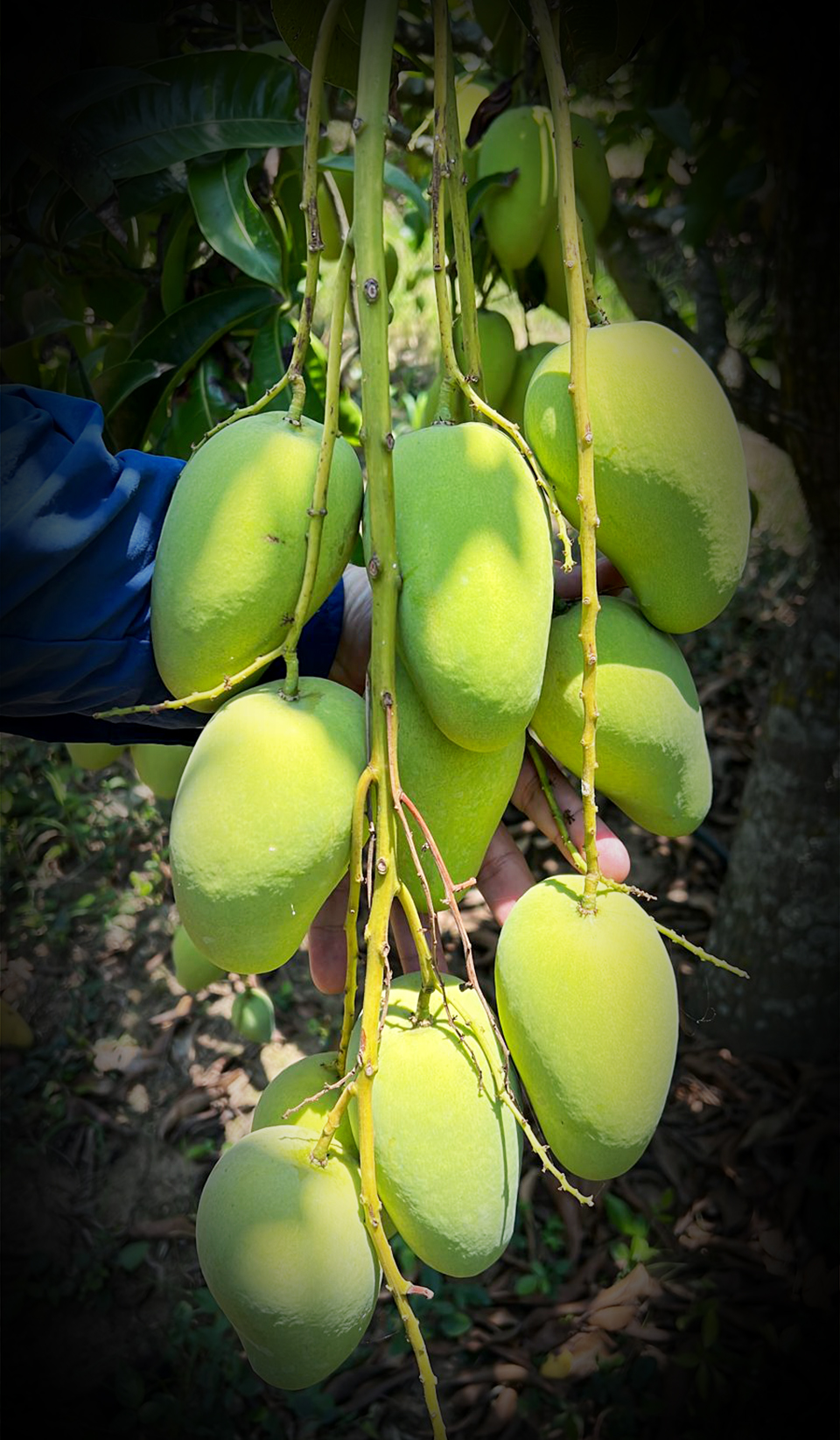
Pressure on the Mexican fruit system this early will only amplify the current wave of green fruit landing. The early Mexican season is already vulnerable to this kind of malfeasance, so my assumption is the industry will be even more susceptible under today’s market pressure. I’d caution the Mexican industry here to remember the damage green Ataulfos can do to an otherwise fruitful program. Green Ataulfos leave a bitter taste in consumers’ mouths, and with a long season ahead—and the Ataulfo as one of the fastest-growing and most beloved mangoes among U.S. consumers—early missteps matter. Green fruit doesn’t ripen sweet.
When farmers can’t make enough money to sustain the work, instability follows — and it rarely stays contained. It spills into the local community, competing narratives harden, and disruption becomes the season. These important on-the-ground realities doesn’t show up in export charts but without them the chain can’t read the real outlook, can’t make better decisions, and can’t build pricing systems that sustain the full chain. That’s why the realities on the ground matter.
If we want supply chain sustainability and long-term success for everyone, direct trade has to be built on farmer economics — not treat it like a sidebar. When it’s hidden or compartmentalized, the pressure doesn’t go away. It builds. And eventually it breaks open. This is where I think Peru is right now.
That’s why I believe in direct-trade models where the farmer and the consumer (served by retailers, wholesalers, and processors) are the two power points — and the middle prospers by doing its job well: protecting that connection and helping it thrive.
Crop Report
This Peruvian “crop report” isn’t really a crop report — it’s a snapshot of a system under economic, social, and operational pressure, much of it tied to grower pricing dissatisfaction.
Conventional volume is still being reported down roughly 40%, with organic significantly worse. Europe is said to be paying more than the U.S., shaping export decisions in a season already defined by constant disruption.
The season started with workable harvest and early selling, but payment disputes escalated fast and continue to drive volatility. Organic has lagged from the start, and weak flowering plus disruption has pushed the projected ~50% year-over-year organic drop into territory that may be even worse.
Four pressures have defined the season — and they’re linked: climate variability, low and uneven volume, maturity/Brix drag, and pricing friction — compounding into ongoing operational breakdown.
Volume: low and uneven
Supply has been inconsistent from the start — brief peaks followed by sudden drops. In some windows. This will continue.
Brix and maturity timing
Internal sweetness has consistently lagged delaying harvests as minimum Brix has been hard to hit. It’s been a season of waiting for readiness, with plenty of complaints about green fruit landing in both the U.S. and Europe.
Pricing friction
Domestic price expectations collided with exporter voiced market realities, creating an early standoff between what farmers need and what exporters say markets will absorb. This is a serious and continued unfolding issue on the ground, impeding all facets of production and export.
Operational disruption
Farmer-led strikes, road disruptions, and interruptions in packing and shipping have run through the season, amplified by maturity delays, reduced volume, and holiday closures that compressed movement. There is a lot of ongoing pressure and chaos in the process of picking, packing and shipping.
The story of Peru this season isn’t about bad blooms or a post-bumper-crop year. It’s not about one strike in the San Lucas Valley or low Brix. It’s a season where every challenge got compounded by fruit pricing ideology, and from the start the rhythm never fully settled — and it still hasn’t.
The contemplation
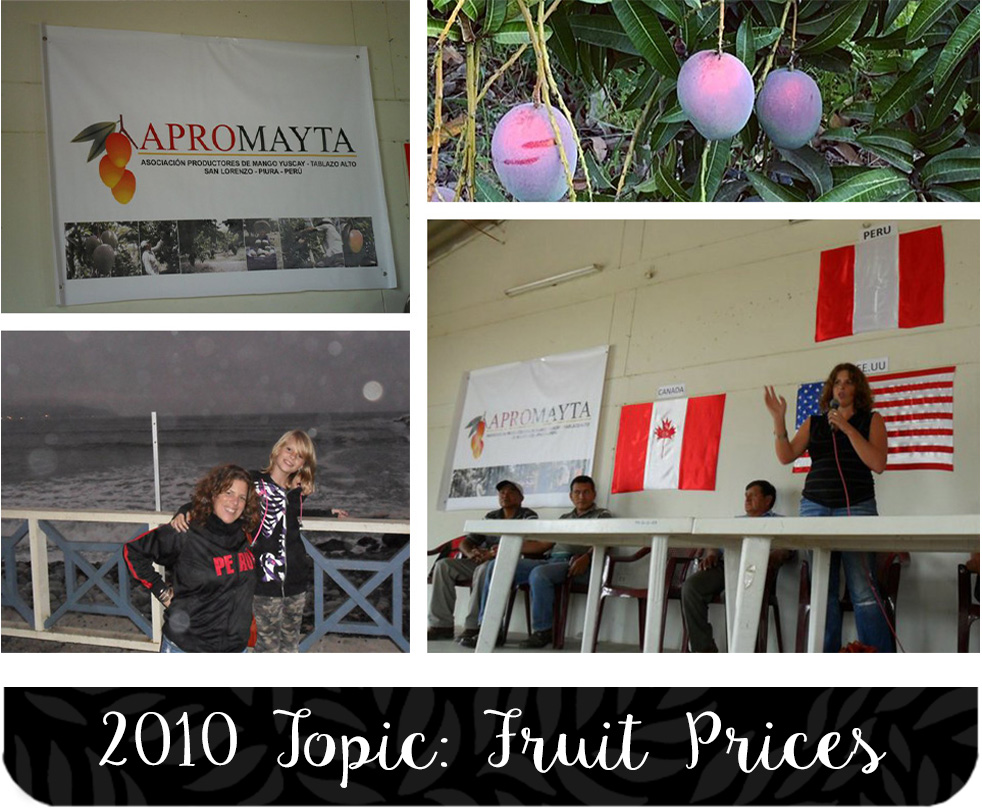
I think about mangoes — and the mango industry — through the lens of banana history often. Banana Republic context, commodity control, price ceilings, and the quiet violence of “stability” built on farmer sacrifice. In 2010 I was invited to speak a Peruvian mango farmers conference and the main topic then, is the same as now and since then, I’ve often looked at Peruvian mangoes through a global banana-farmer lens, and I think the industry needs to get more serious about the correlation. Banana farmers have been trapped for decades in a system where costs rise, risk rises, certification demands expand, climate change sets serious challenges but consumption keeps growing — dominating fresh departments globally — yet fruit pricing is treated like it can’t move. ( I think it can.) The chain stays “stable” by pushing instability back onto growers. Fair trade didn’t change that reality in any meaningful way as it was so marketed and I think more people are starting to admit it. The point I’m making is simple: if we aren’t willing to treat fruit pricing as a real lever — not a fixed ceiling — we’re going to keep repeating the same instability, season after season.