Sweeten Top Trends with Mangoes
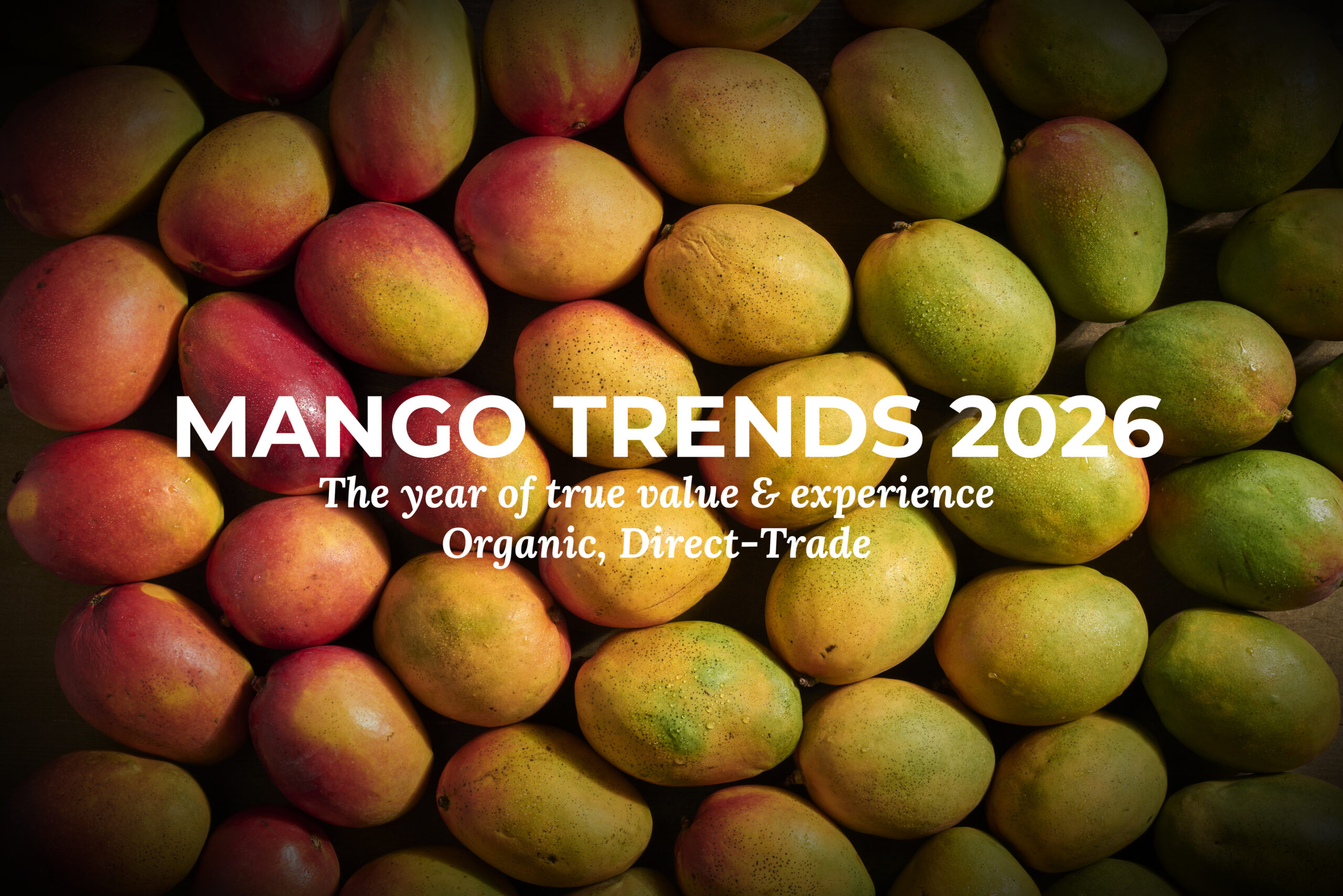
The trend days are here, and I’ll be honest—I really enjoy this end-of-year moment of predictions. Preparing for a new year, and in my case a new mango season, means trying to understand what’s coming, not as certainty but as direction. Trends help anticipate change and identify opportunity. They inspire and offer strategic guidance based on data, foresight, and collective expertise, helping reduce unnecessary risk, missteps, and wrong turns as we move into an increasingly cautious food economy.
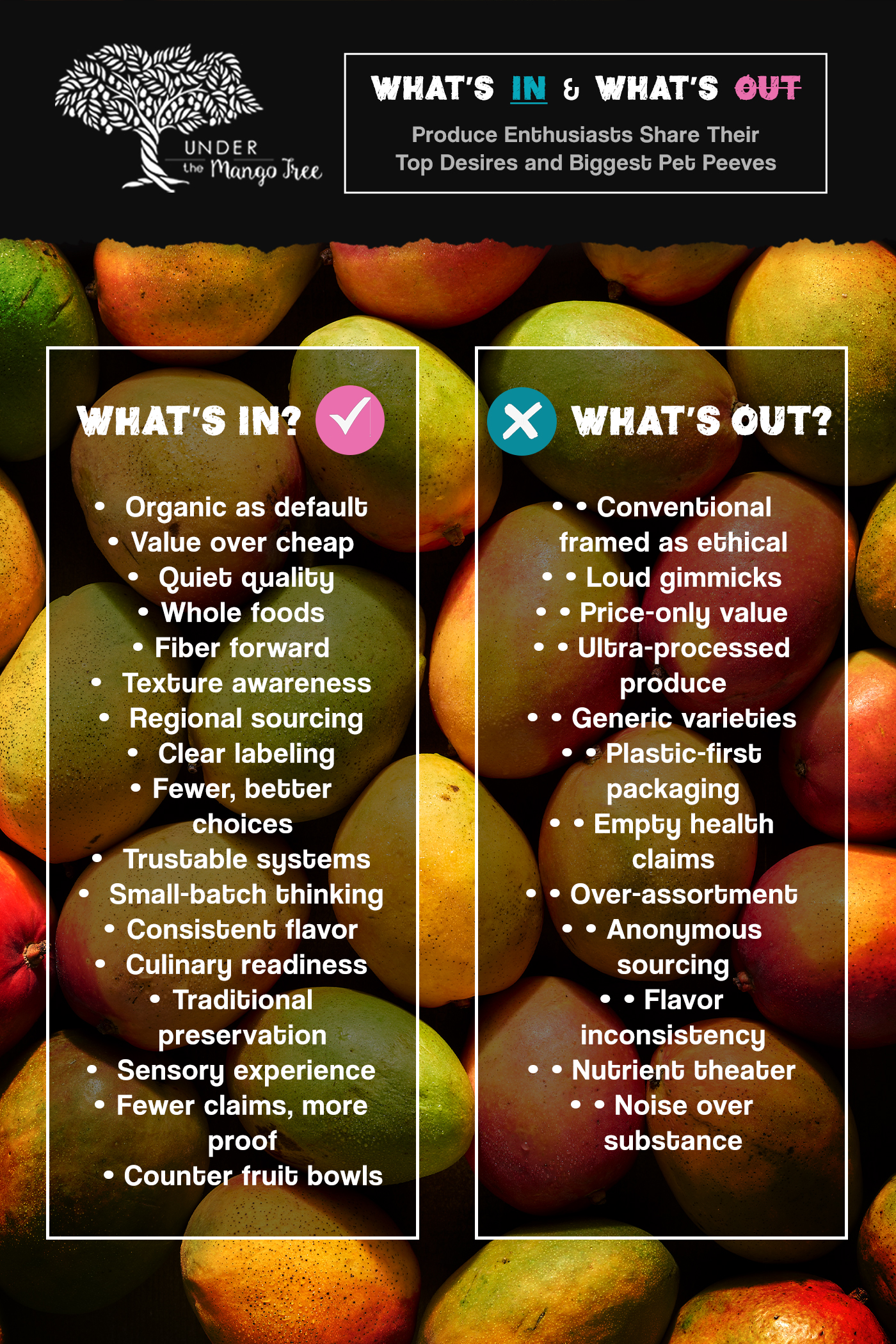
The shift heading into 2026 is clear. Last year’s anything-goes attitude has given way to restraint. Consumers are prioritizing quality, reliability, and small, meaningful pleasures over spectacle itself. “Quiet luxury” isn’t about indulgence—it’s about fewer gimmicks, more substance. Value is replacing affordability: people will still spend, but only when quality, trust, and experience align. The greatest opportunity sits with those who have been steadfast in organic production all along, having already demonstrated the rigor these trends demand. When that consistency is paired with a direct-trade ethos that connects the supply chain in a stronger, purer form, the advantage becomes structural.
In my mango work, this end-of-year exercise is especially useful because it coincides with the start of the next season. Much like my own internal reconciliation of what was, what is, and what’s ahead, I consistently see that interconnectedness makes most sense, it’s not about following trends for their own sake, but about understanding how everything connects and making better decisions that serve more than just ourselves—whether that collective is a family, a farming community, or a retailer’s consumer network.
I love breaking down trends and reminding people how naturally most of them align with fresh organic mangoes. Where I see the most value—and where my expertise lives—is in translating these widely agreed-upon shifts into mango-specific insight: how they apply to mango merchandising, how they authentically attract consumers and farming communities, and how mangoes can connect multiple departments and moments across the store. Organic mangoes fit this moment again and again—across quality, trust, value, tactility, and pleasure.Across the grocery industry — from Whole Foods’ annual trend forecast to Natural Grocers’ key trends for living well to broader retail like FoodNavigator’s 2026 food trend predictions to my own musings on the antidote to the most negative food trend of SLOP & greenwashing — there is, as usual, a clear consensus around a core set of themes shaping how food will be grown, sold, and experienced in 2026, and what follows is my interpretation of those shared trends through the lens of mangoes: how they show up best on the shelf, in the supply chain, and the eating experience.
Organic → As The Standard Not A Trend
Before I take off into spcific trends, I need to isolate organic and put it where it actually belongs. For me, organic is not a trend, it is the gold standard, and the fact that it keeps reappearing on trend lists year after year says more about its results. Organic continues to surface not because it is fashionable, but because it works. It remains one of the most effective tools we have for addressing climate change, rebuilding soil health, and creating growing systems that are biologically and economically resilient rather than extractive. Beyond the field, it consistently aligns with wellness in a way no other production model does, connecting how food is grown to how bodies, communities, and ecosystems function over time. In a landscape crowded with slop– quick fixes and glossy claims, organic is the beacon — steady, proven, and quietly doing the work while everything else circles around it.
Fiber Forward, Gut-First Eating → Mangoes as high fiber everyday fruit
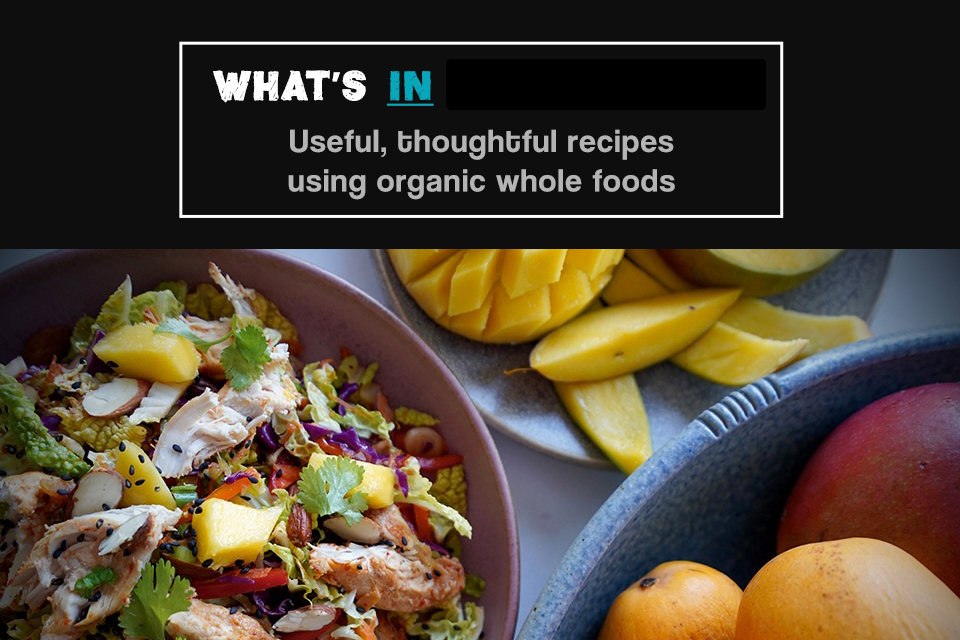
Digestive health and fiber are now primary grocery drivers, with consumers seeking whole foods over supplements. Mangoes naturally deliver fiber and satiety without fortification, allowing retailers to position them as an easy, daily gut-supportive fruit. Activation happens through simple fiber-forward messaging, mango pairings with yogurt, oats, legumes, or greens, and recipes that frame mango as part of balanced, digestion-friendly meals rather than a functional add-on. Gut health in-store signage, social educators and supporting recipes. Much like the work Ger-Nis does for Crespo Organic Mangoes with Mango Wellness.
Mindful Sweetness (Less Sugar, More Flavor) → Mangoes as a sweetener
Shoppers want sweetness without refined sugar or artificial substitutes, and mangoes meet that shift by offering full, aromatic sweetness straight from fruit. Mangoes offer a kind of superfood power in how their natural sugars work in the body, and that is fact-supported by science. Retail and marketing can show mango replacing added sugar in drinks, sauces, snacks and desserts. If you’ve followed my culinary work, you know I rely on herbs, spices, and fruit to create deeply flavored food with little or no added sugar. When I met mangoes on my culinary journey, I understood what a gift this naturally sweet fruit is. Mangoes contain natural sugars, but they behave differently in the body than added or refined sugars. Those sugars are bound within fiber and water, which slows digestion and moderates blood-sugar response when eaten whole. Mangoes also contain compounds that support healthy glucose metabolism, making them a nutritionally dense fruit rather than a simple sugar source. Portion size matters, as does how mangoes are eaten — whole, intentionally, and often alongside protein, fat, or fiber. This is where real data matters: if we want to avoid greenwashing, we have to teach people how to eat mangoes in ways that actually use their nutritional advantage. This is why the education and recipes we put forward need to be thoughtful and expertise-driven. It ties directly back to my slop article and the need for real content, not filler. My advice here is the same: work with professional unbiased nutritionists and recipe makers, or at least build off their work and support it properly. I’m not the only one doing solid mango recipes, but there is a lot of slop out there, especially coming from within the industry itself. Summer Mango Salads for the win here— and yes, I teach this as a Zoom class during mango season. Get in on it.
Elevated Convenience→ Mangoes Fresh Cut , IQF and Dried ( Farm Level & In-Store)
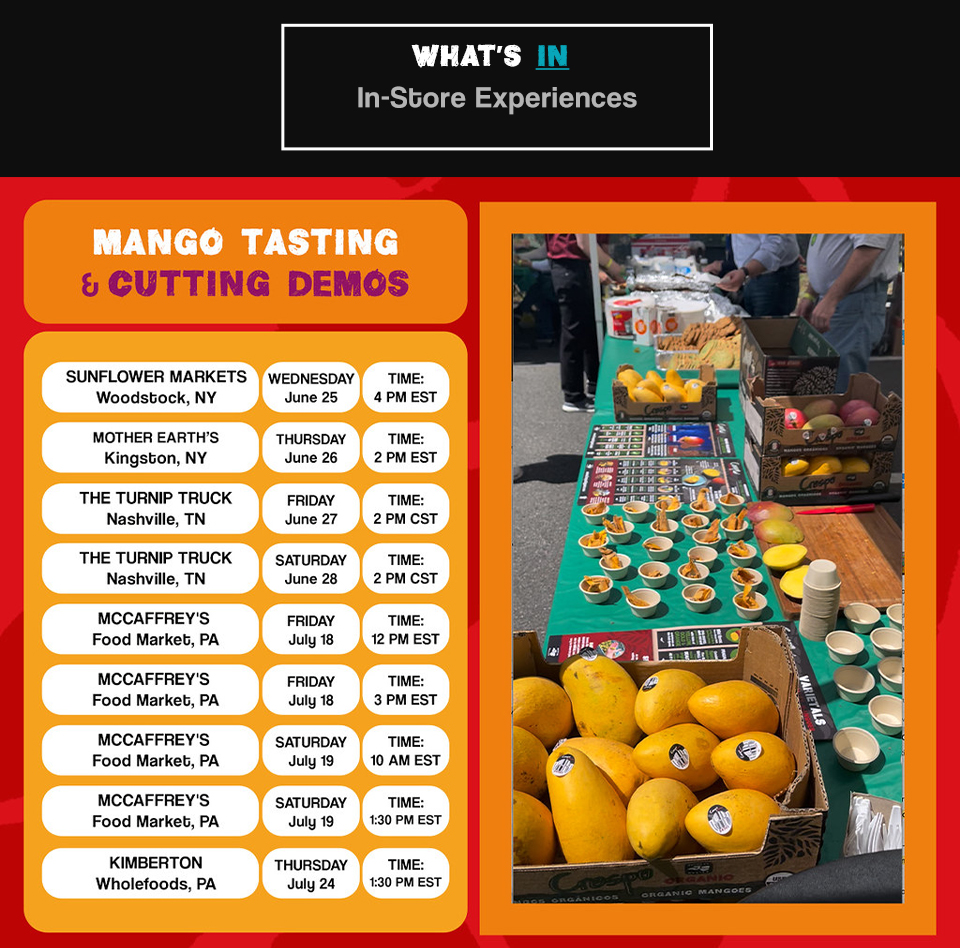
Convenience isn’t going anywhere, but rising prices and value driving purchasing are forcing a reckoning: ingredient integrity and real flavor. The bleach-white, fry-looking pieces in fresh cut that don’t resemble ripe mangoes won’t hold up. The fresh cut sector needs to level up and start with ripe, high-quality mangoes. The real opportunity is in smaller-footprint stores that cut in-house—pulling mangoes directly from strong displays, improving rotation, and ensuring both fresh and cut mangoes actually taste good. Through our in-store mango sampling and customer demos, we’ve also been able to teach in-store cutting staff how to select mangoes for ripeness and how to cut them properly. This reduces waste, improves fresh-cut quality, and helps convert fresh mango buyers into fresh-cut buyers. There is ample opportunity for stores to expand into fresh-cut mangoes, pico de gallos, salsas, and mango fruit salads produced in-house, where quality, flavor, and experience are best controlled. Smaller and mid-size stores with in-house prep have the biggest advantage here.
This trend also strengthens frozen mango’s role as ingredient-grade food in a way that directly benefits mango-growing communities. Fresh frozen, and dried mangoes (specifically markets for both domestic and export), serve different purposes and require different harvest timing, Brix targets, and post-harvest handling, but when all three sectors exist in proximity, farming communities are better served. Mango-growing areas can expand and improve through shared resources, information, and risk balancing, building more resilient local economies. Ecuador’s IQF sector is a strong example of this. In Mexico, diversification is more complex due to production for the hot water bath, but robust dried and IQF sectors alongside export fresh are still in the best interest of farming communities. Dried mango, in particular, continues to grow as an ingredient-forward category that supports this diversification, I would advise producers and processors to make sure they are clear on the direction the market is taking, the cash-flow intensity of the dried sector leaves little room for mistakes.
Return to Real Food and Transparency → Mango Authenticity (Origin, People, Place)
Consumers are rejecting over-processed food and vague claims in favor of recognizable ingredients and honest sourcing. Mangoes align naturally here when merchandising focuses on origin, variety, season, and people rather than slop and buzzwords. That means clean signage, real truth-telling on social, richer, deeper orchard references, and actually connecting the supply-chain links in a useful way. This requires real work. If those stories are hidden or blurred, you’re consumers are more than ever going to notice the greenwashing, which only empowers the middle. There is no other mango brand, organic or otherwise, doing this better than Crespo Organic on this trend and I invite you to take a deeper look. Yes, that is me giving credit where credit is due — to my work and to the Crespo family — and it reflects the strength of the system we’ve built together, from the orchards through the packhouse and into market. Mango supply chains are rich with multi-generational farming stories, which makes mangoes ideal for farmer-forward storytelling. Grower spotlights, QR-linked orchard stories, and seasonal messaging that ties availability to people. Farmers and farming communities deserve real recognition for their labor, just as they deserve to be paid properly for it. Take pride in your brand.
Global Flavor, Normalized → Global Mango Flavor & Usage (Variety)
Global flavors are no longer niche; they’re part of daily cooking. Mangoes already live in cuisines around the world, which makes them a staple ingredient rather than an exotic fruit. This goes back to an earlier point: you have to show real culinary usage — practical tips, technique, and how mango actually functions in everyday cooking. It takes time, but it’s accessible, and consumers want it. Marketing needs to move mango beyond dessert and smoothies into savory, spicy, daily applications — grains, proteins, herbs — without novelty or placating language. Consumers also want mangoes connected to their origins, which is why the whole “#DontCall MeHoney” Ataulfo conversation mattered. Names, history, and place shape consumer understanding. This is exactly where the work Crespo is doing on their Mango Queen specialty line fits — highlighting cultures, origins, flavors and real connections behind varieties like Kiew Savoy, Mallika, and Nam Doc Mai instead of flattening them to fit into a yellow mango trend. These mangoes exist because global mango farmers invested in varietal diversity long before it was fashionable. This is the year where the opportunity to promote specialty mangoes really opens up — the groundwork has been done, the risk is lower, and those willing to teach, cook, and market with substance can finally push variety forward without relying on slop.
Sensory and Visual Experience (Color, Texture, Mood) → #MangoJoy Anchor
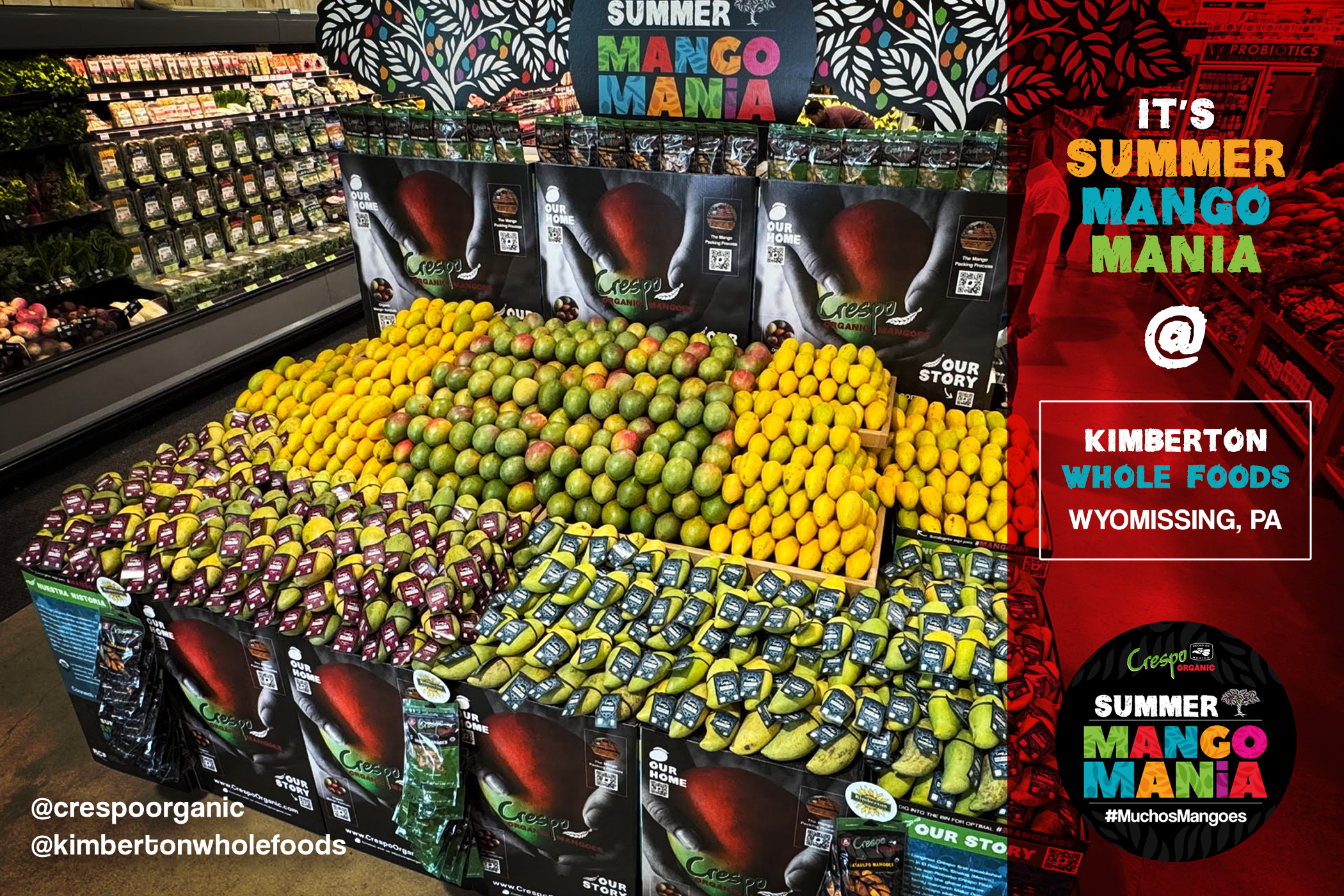
This trend reflects how shoppers are increasingly spending on food that delivers emotional and visual impact. Mangoes naturally bring color, aroma, and tactile appeal, making them ideal visual anchors in the produce department. Their price points, especially in summer, are often relatively low compared to other fruits, and their displays tend to be larger. When merchandising follows expert guidance — like what Brian Dey consistently recommends — the result is bold, confident displays that actually move product. Retail activation shows up through color-driven mango displays built with a plethora of variety and ripeness, smart complementary produce pairings, and encouraging countertop presence at home. Mangoes help set warmth and mood in the department. Displays full of useful mango-education that inspire encourage shoppers to fill their carts with mangoes and produce in general. Whether those dreams are realized are not the point with mangoes because you can eat it as is for the same beautiful experience. Crespo Organic’s Summer Mango Mania campaign remains one of the strongest demonstrations of the mango experience — an captures the epitome of what I coined #MangoJoy.
Kitchen Couture & Dopamine Décor → The Mango Fruit Bowl
Value is a key driver as we move into the new year, and this décor trend reflects a shift toward food as a source of added value—through visual design and emotional uplift—bringing that feeling into the home, right onto the countertop. As the fully blank kitchen-counter trend finally fades, consumers are gravitating toward ingredients meant to live out in the open — on counters, tables, and shelves — where color, form, aroma, and a sense of abundance shape mood and inspiration. What I call the mango fruit bowl fits this naturally. Mangoes offer brilliant color, sculptural shape, and visible ripeness that signals warmth, pleasure, and nourishment. The real opportunity is moving away from retail displays that push only fully ripe mangoes and instead teaching people how to gauge ripeness and ripen mangoes at home. Stores should support both — mangoes ready to eat now and mangoes meant to ripen over time. Mangoes are eaten, cooked, and enjoyed across stages of ripeness, and if displays don’t show that, consumers never learn the fruit. Mango’s position as countertop fruit rather than refrigerator fruit makes it one of the most important fruits for this trend. The mango fruit bowl becomes functional décor — edible, seasonal, and emotionally resonant. Look for me later in the season, when I’ll be teaching mango lovers mango hygge—how to nurture their mango fruit bowls, gauge and gently coax mangoes to the right ripeness for the task at hand, and enjoy the nurturing act itself. Mango hygge is the quiet pleasure of living with mangoes: watching them ripen, tending the bowl, savoring their color, scent, and promise before the first cut.
Price Sensitivity & Value Reframed → Mexican Mangoes and Proximity Power
As shoppers are expected to remain price-sensitive, this is the one trend where value is the point. Other trends may carry hints of it, but here value sits front and center—defined by smart sourcing, not cheapness. For this year’s coveted food trend piece, How we’ll Eat in 2026, Kim Severson, the highly respected New York Times food writer, names value as the word of the year and shifts it, subtly, away from affordability of the past year. As she notes—echoing what we’ve seen for years in the trending data around organic Crespo Organic mangoes and organic produce in general—shoppers are not looking for the cheapest price but the greatest overall value: “They’ll spend on unique experiences and quality food from different cultures — especially from sustainable sources they can trust.” Mexican mangoes benefit directly from geographic proximity to the U.S., which lowers freight costs, shortens transit time, reduces shrink, and improves fruit quality. That proximity allows for more stable pricing for farmers, better margins through the supply chain, and fresher fruit at retail. When farmers are paid more consistently, it opens the door to greater quality, flavor development, varietal diversity, and innovation—giving growers the ability to deliver the kind of value consumers are actually seeking. When pricing pressure eases upstream, retailers gain flexibility—the ability to take more promotional risk, expand displays, run longer features, and build demand without racing to the bottom. Highlighting Mexican organic mangoes as a near-sourced, high-value fruit reframes price sensitivity as an opportunity: better farmer economics, stronger retailer confidence, and increased mango movement through trust, freshness, and accessibility rather than discounting alone, especially when done through direct-trade routes like Crespo. Once again I will cite Crespo Organics Summer Mango Mania campaign as one of the strongest examples of this value example- mango value as I will now call it! Cultivating Mango Joy to learn more.

True Sustainability & Authenticity → Truth telling & The Antidote to Greenwashing
True sustainability is emerging as a rejection of vague claims, AI-smoothed storytelling, and marketing-first narratives. Across food and produce, there is growing demand for real expertise, clear definitions, and transparency that offers truth and depth. With AI has come more slop but with that consumers are increasingly adept at seeing through greenwashing — whether it’s conventional pesticide use reframed as progress, partial stories presented as whole truth, or sustainability reduced to aesthetics rather than on the ground practice. For mangoes, this means drawing a clean, uninterrupted line from orchard to table. It means centering grower power over middlemen. Refusing to soften or blur the realities of conventional, chemical-dependent agriculture, while being precise and accurate about what organic actually is — how it’s grown, what it prohibits, and why those distinctions matter — rather than collapsing everything into vague sustainability language. It also means rejecting a model where “social responsibility” shows up as donations or charity layered on after farmers have been underpaid. Likewise it means being truthful about brokered product and all the hands in the middle which offer a clearer picture of the economics. Real responsibility is built into pricing, sourcing, and long-term relationships from the start. When mangoes are rooted in expertise, fair economics, and honesty — and the eating experience fully supports the story — trust is built, repeat buying follows, and sustainability becomes something consumers can taste, not just read about.
Value Caveat → Flavor and Value Are Linked
In this context, value cannot be separated from sustainability, transparency, or fair economics because flavor is the outcome of those choices. When growers are underpaid, pressured on price, or forced into extractive systems, investment in orchard health, harvest timing, and postharvest care erodes — and mango flavor follows. When chemical-dependent practices are used as shortcuts, or greenwashing replaces real agricultural rigor, fruit may looks on the shelf become more important than how it eats. With organic mangoes, that value chain is complete only when a proven in the eating experience is the final outcome. Consumers may try a mango once based on price or values, but they only repeat when the fruit delivers a good eating experience balance, aroma, and texture at ripeness. True value emerges when growers are paid fairly, organic standards are practiced honestly, and quality is protected from orchard to eater. Growers have to care about flavor as much as consumers, this is why the grower eater connection is crucial. Without those conditions, flavor collapses — and without flavor, value does not exist at any price point. Flavor therefore is the entire point of the chain.
My trend exercises are here to to show that Mexican organic mangoes consistently sit at the intersection of industry trends and consumer desires — and that within this alignment lies a clear opportunity for the industry to take these trends seriously and act on them with intention. Time and time again, organic mangoes check the boxes retailers are being told to chase — value, flavor, wellness, aesthetics, transparency, and global relevance — without forcing the product to become something it isn’t.
When retailers fully utilize mangoes, as we’ve seen repeatedly through the Crespo Organic mango program and in particular its big Summer Mango Mania campaign, taking calculated risks with bold displays and stronger features, the results follow. Pricing becomes more accessible for consumers, farmer economics improve, the eating experience delivers, and shoppers respond by putting more mangoes — and more items overall — into their baskets. The outcome isn’t just higher sales, but a better experience, more joyful shopping and eating and that benefits everyone in the system.
My best advice for the year ahead, including to myself, is to slow down, listen more, and focus on the strength of the entire supply chain. If you’re only thinking about cases sold and scale, you’ll miss the opportunity this year offers for grounding, durability, and long-term longevity.
